Trace the water path
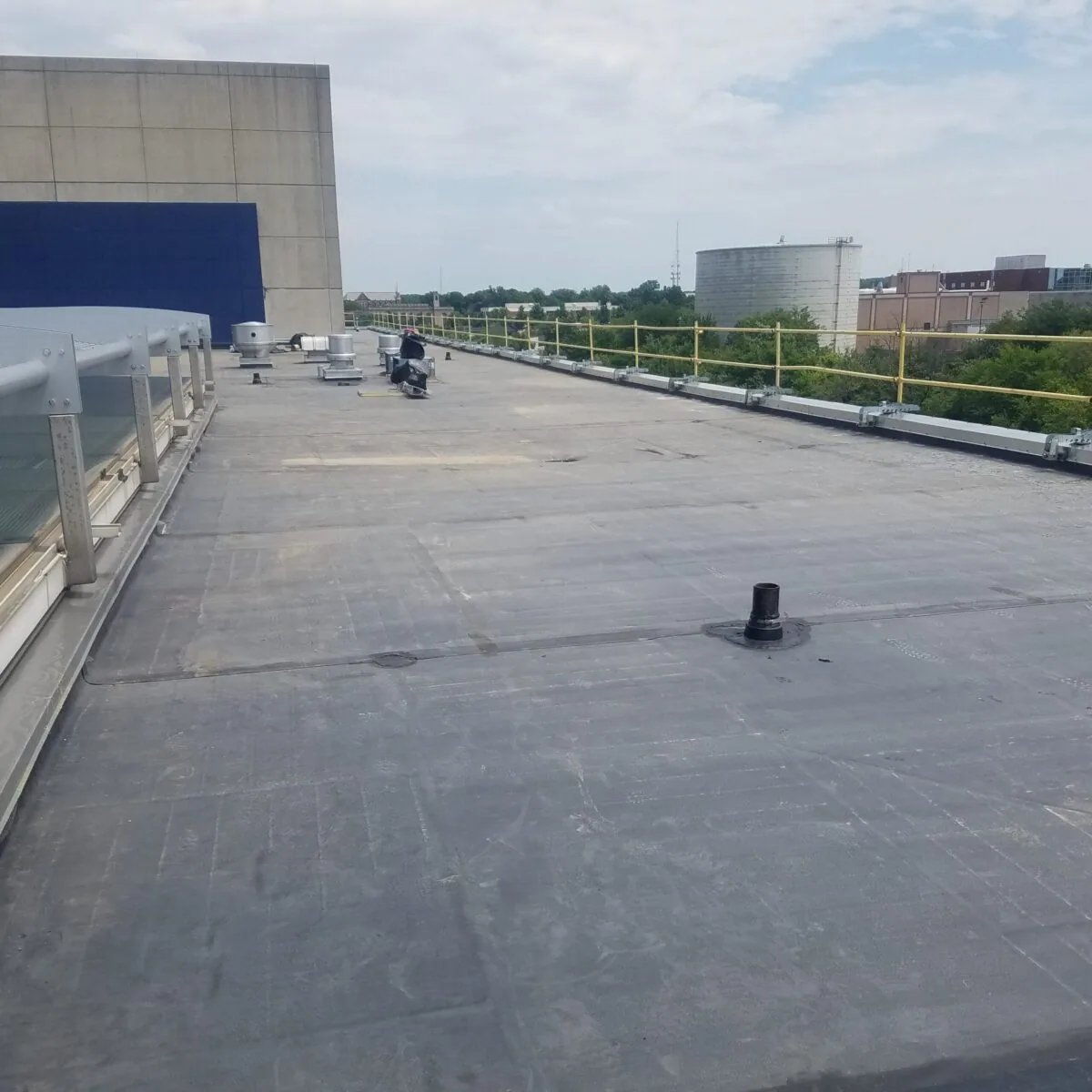
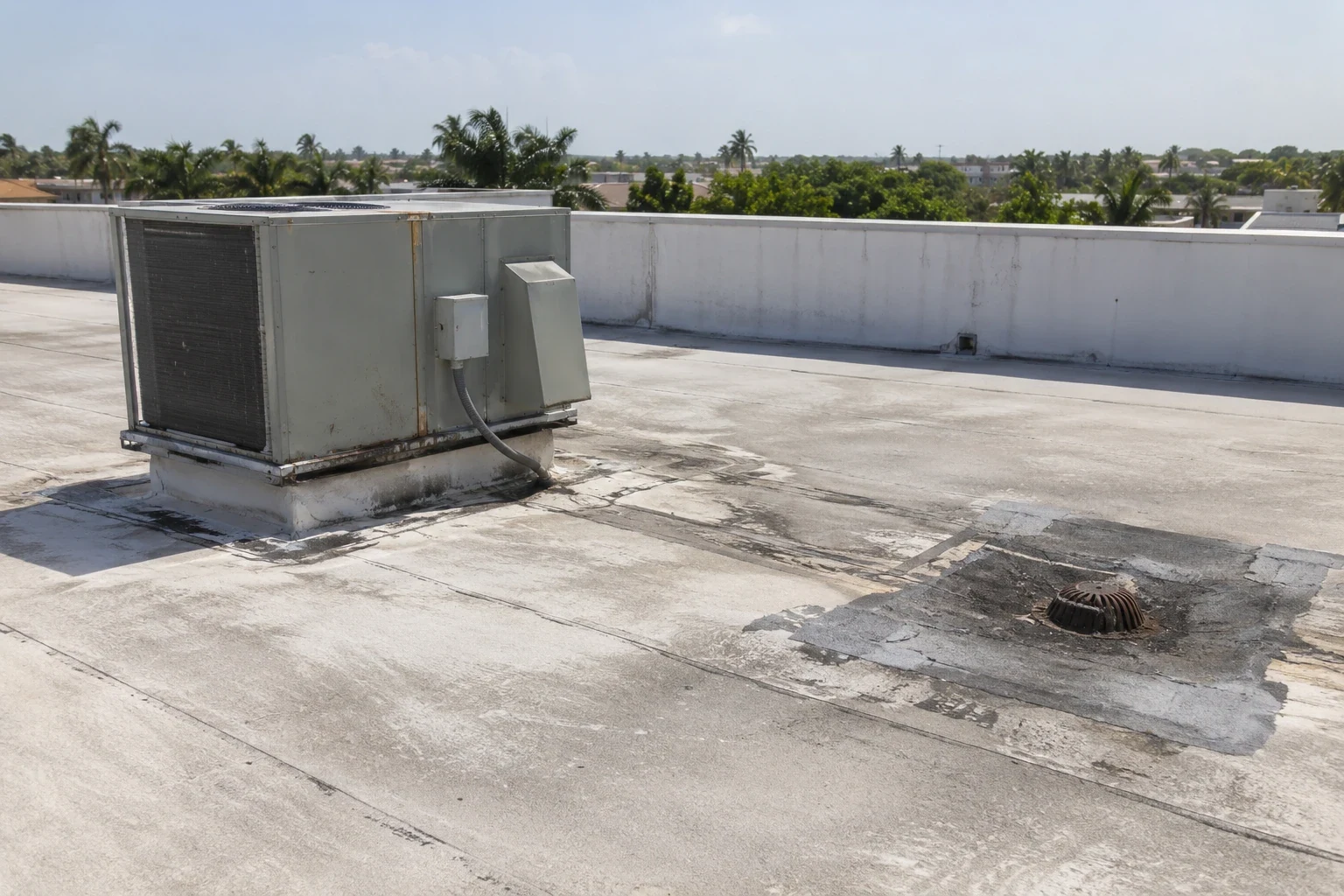
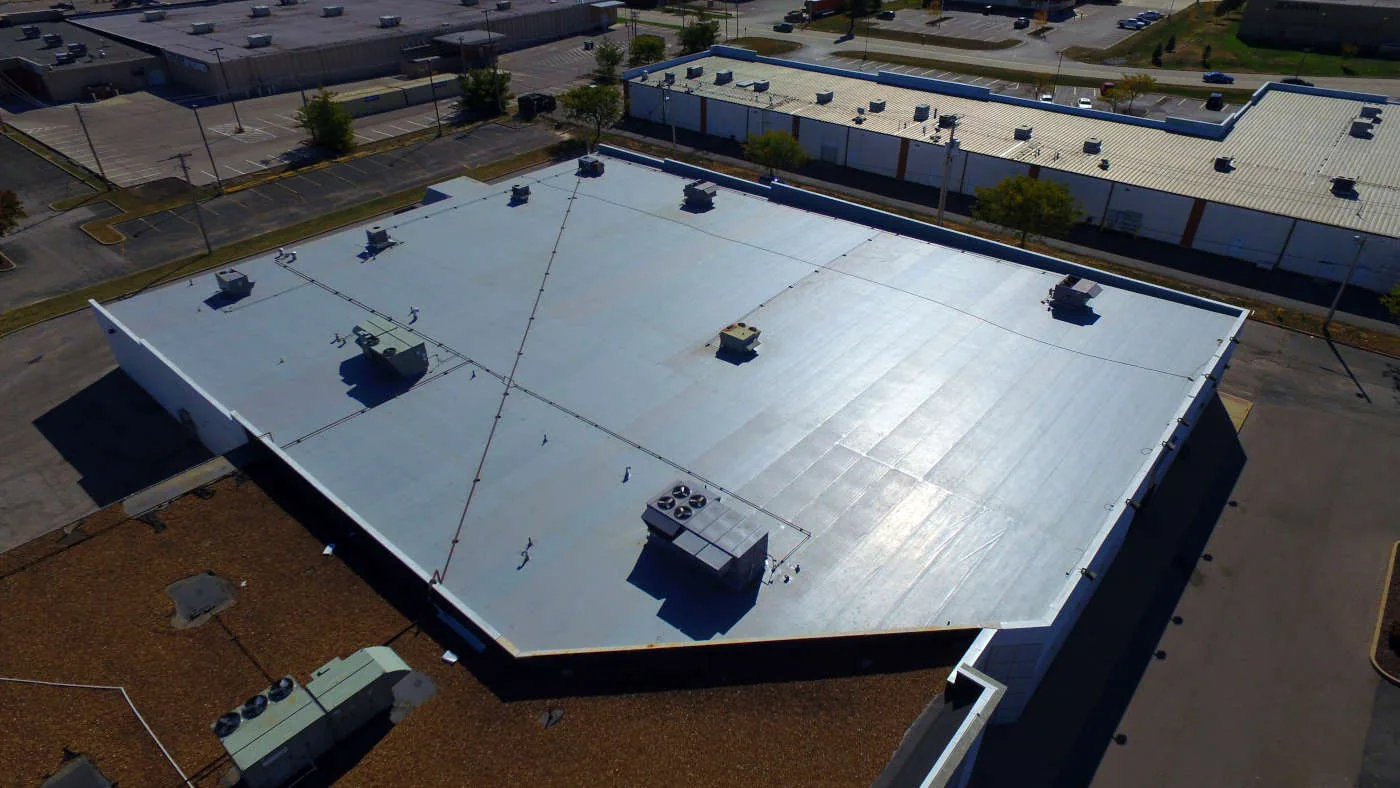
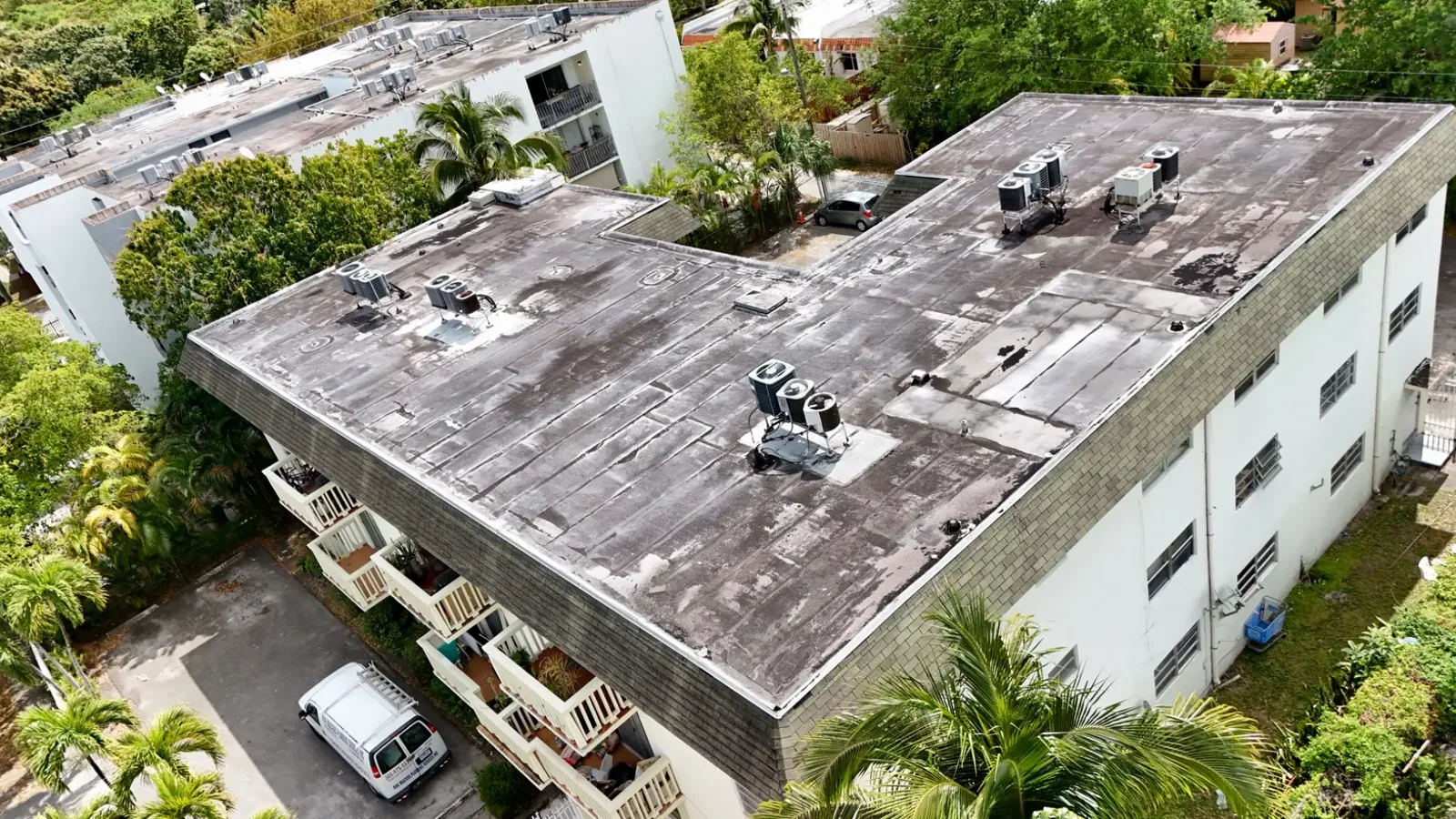
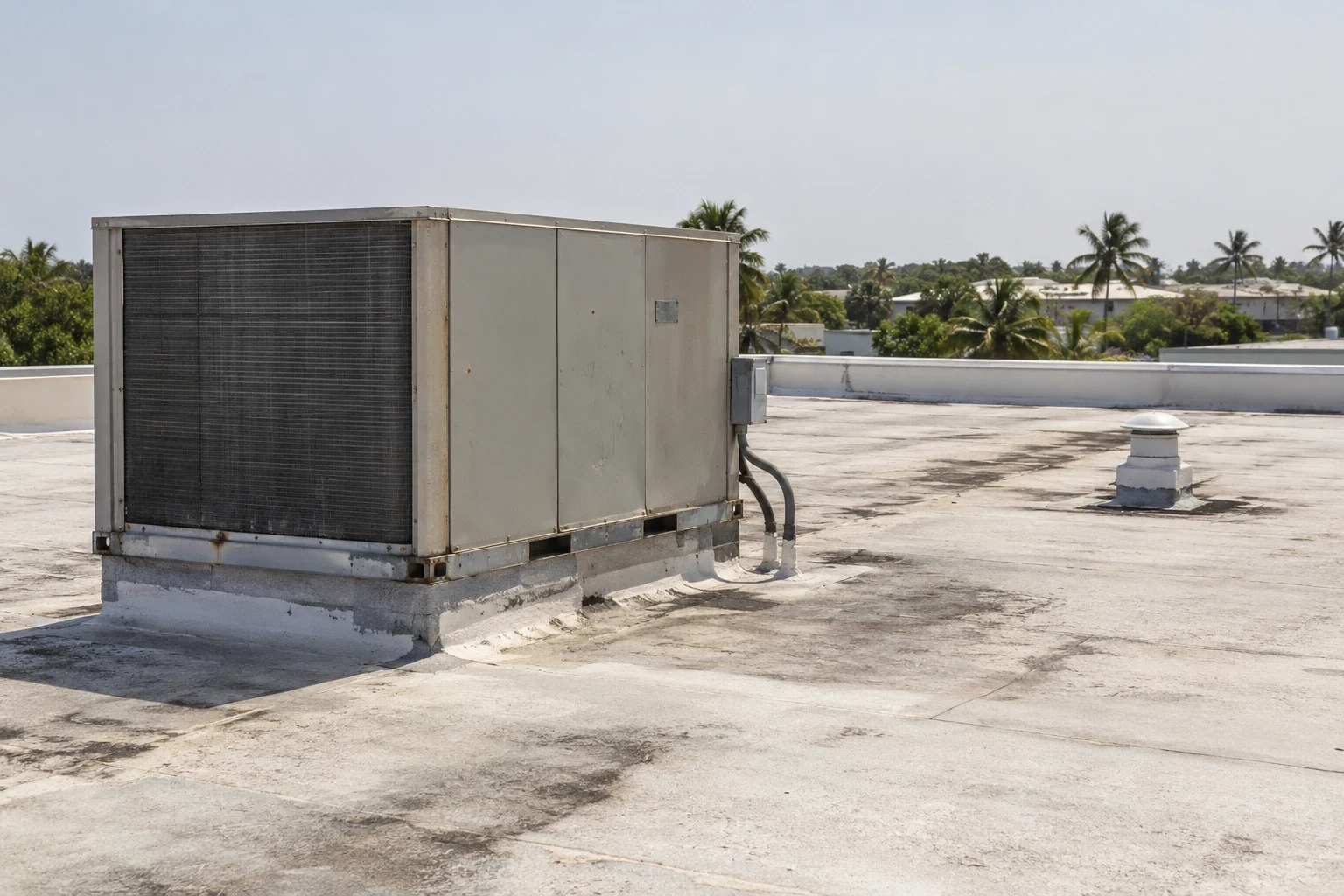
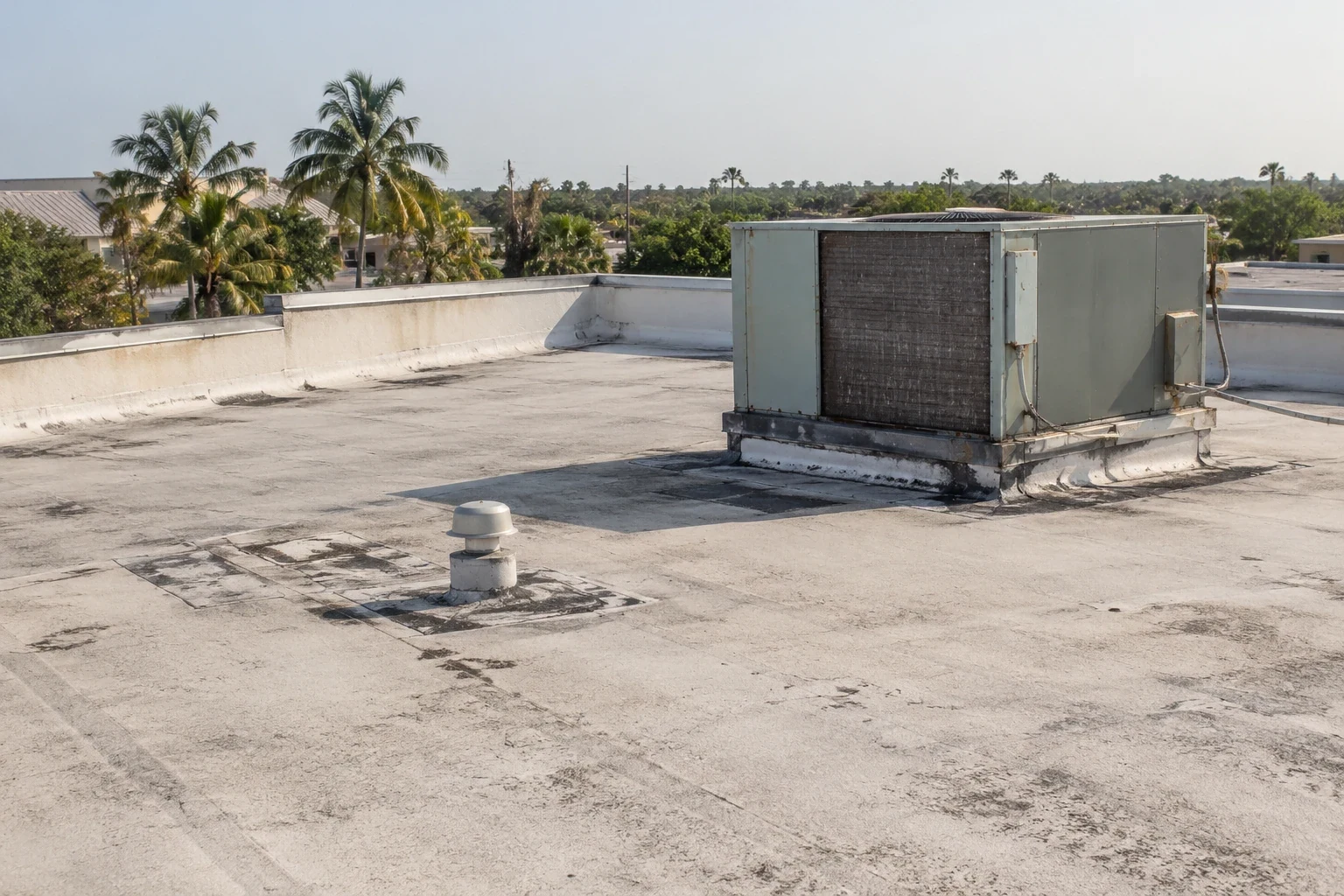
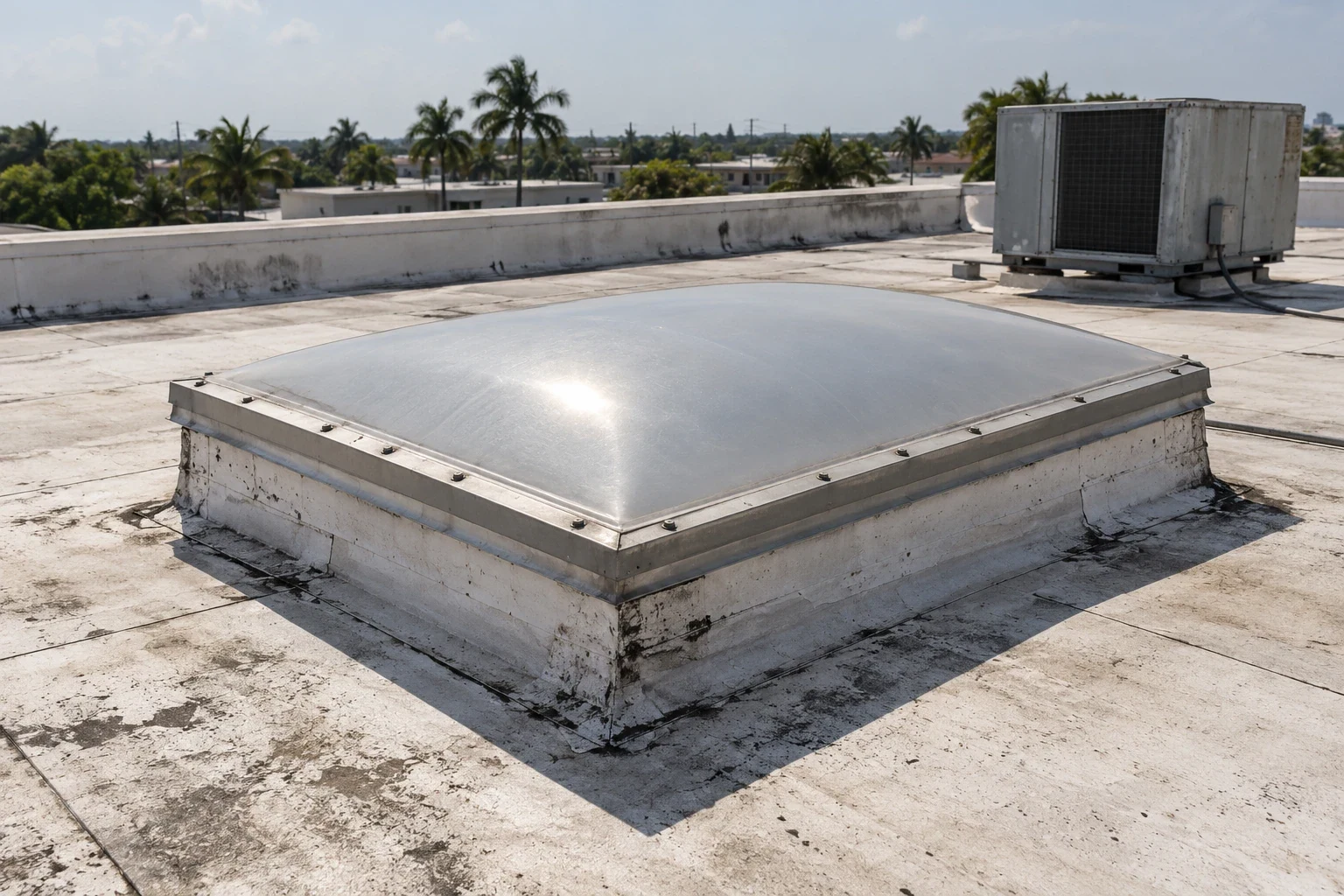
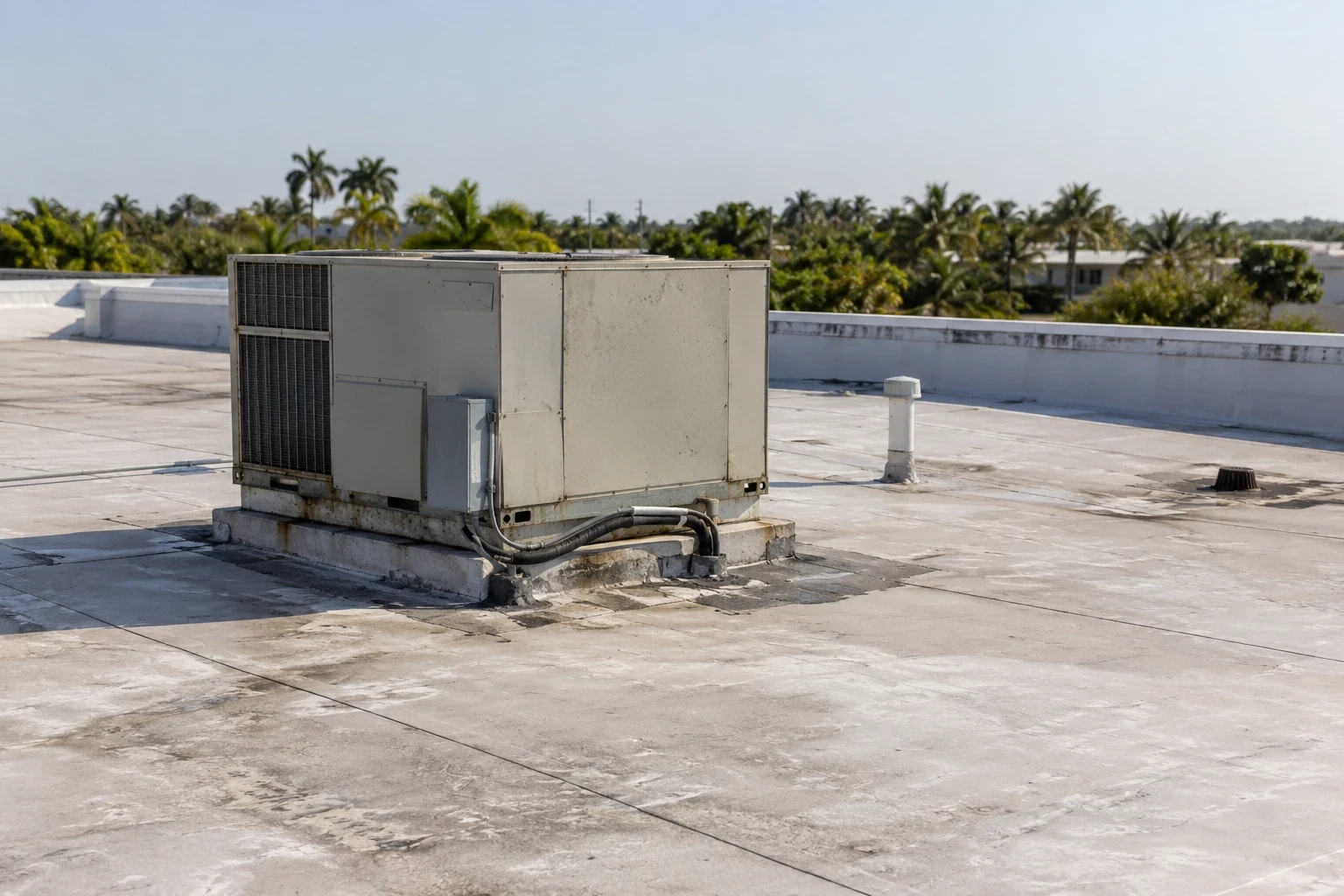
Fort Pierce climate records show recurring heavy rain and thunderstorms, so the first field question is where water can collect or enter, not whether a ceiling mark looks large. We compare interior reports with roof conditions, follow drainage toward each outlet, and check penetrations where membrane or metal details meet equipment and walls. If wet insulation is possible, infrared survey findings can help narrow the area for a closer opening or repair decision.
For an active leak, the first-hour plan is to protect occupied space and identify a safe temporary dry-in when weather allows. A written scope then separates immediate work from follow-up repair. Commercial leak repair addresses the entry path; a documented roof inspection helps when the source is not yet clear.
Choose repair or replacement
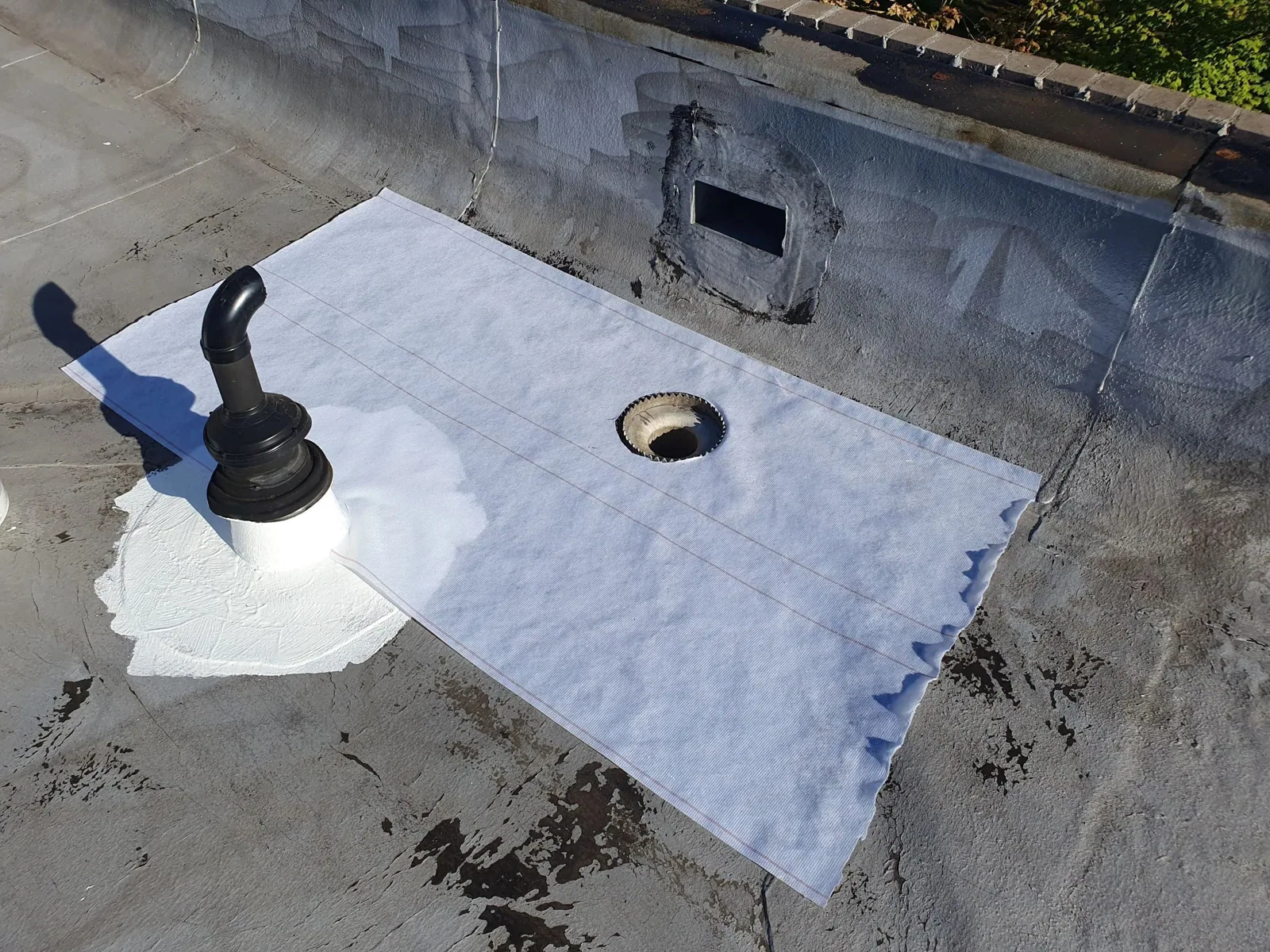
A repair makes sense when the surrounding membrane remains serviceable and the defect can be reached without hiding a larger wet area. We check seams, flashing, attachment, drainage, and the condition of nearby insulation. Repeated leaks, widespread wet materials, failed edge details, or a roof surface that no longer accepts a durable repair can change the recommendation.
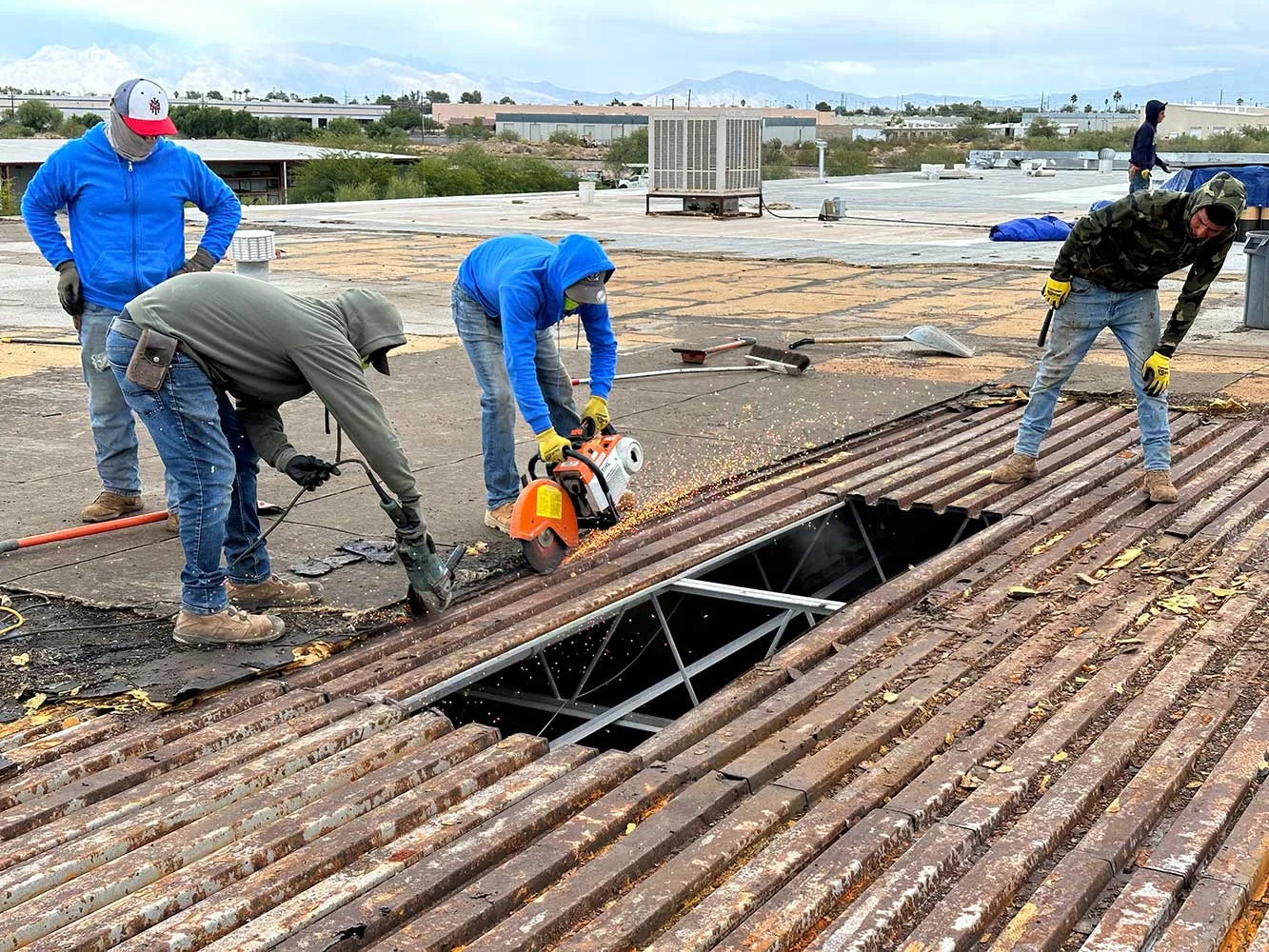
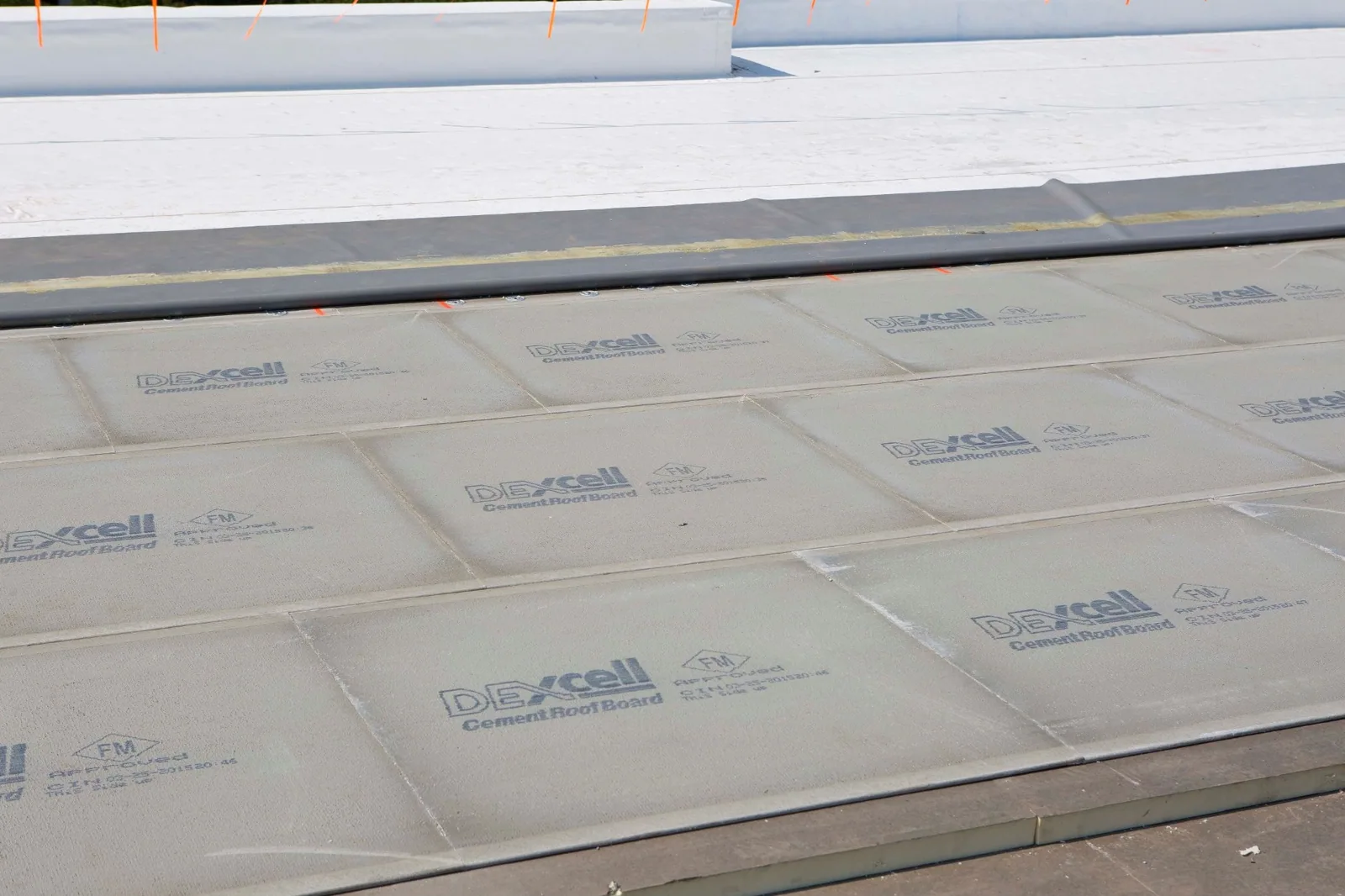
We can price the immediate repair separately from a larger corrective scope, so ownership can compare the cost and schedule of each choice. A replacement plan can include tear-off, recovery, insulation, staging, and protection at entries and equipment. Commercial roof repair focuses on localized failures, while replacement planning covers a system that has reached the point where isolated patches no longer resolve the condition.
Plan for rain and heat
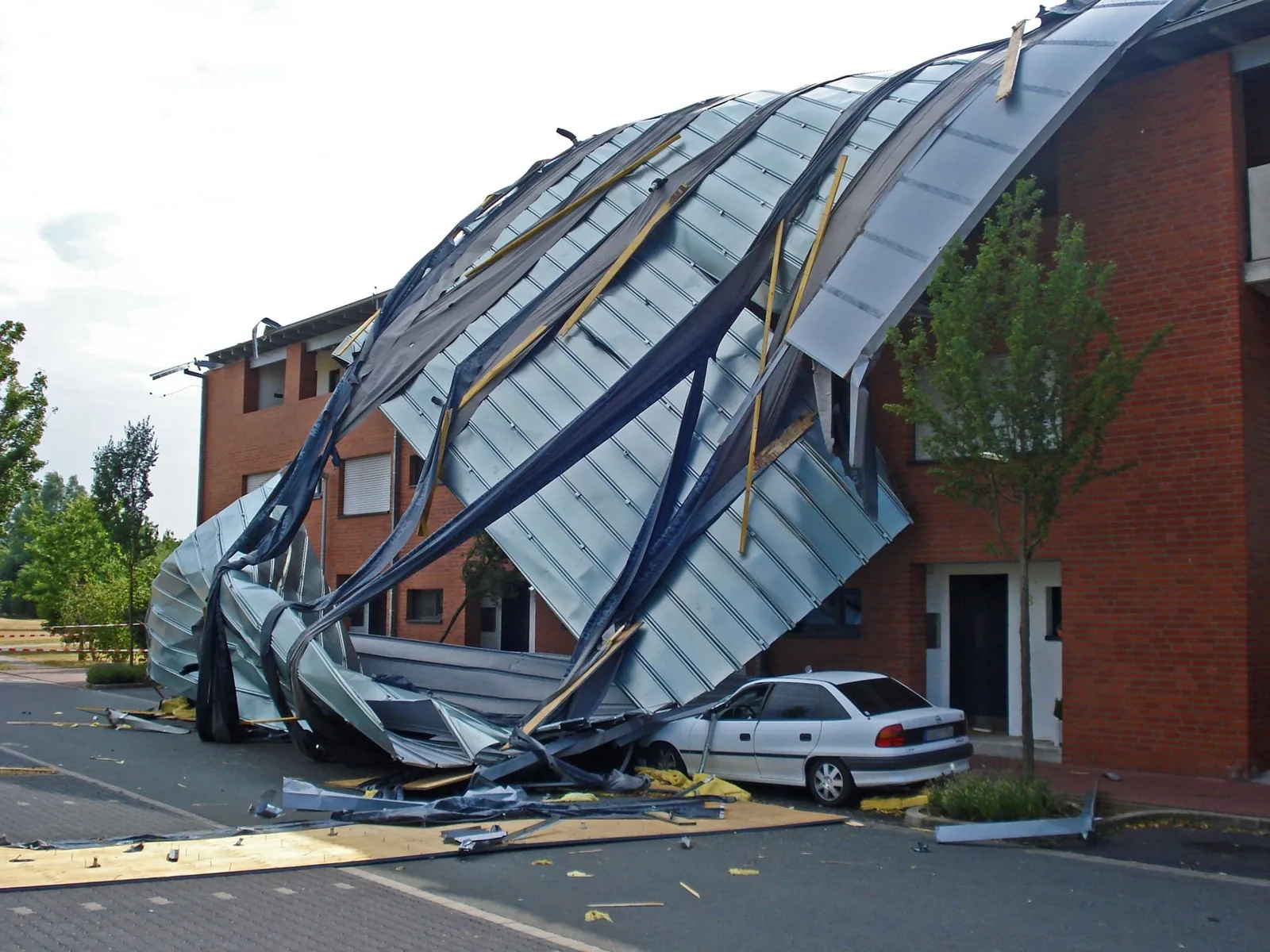
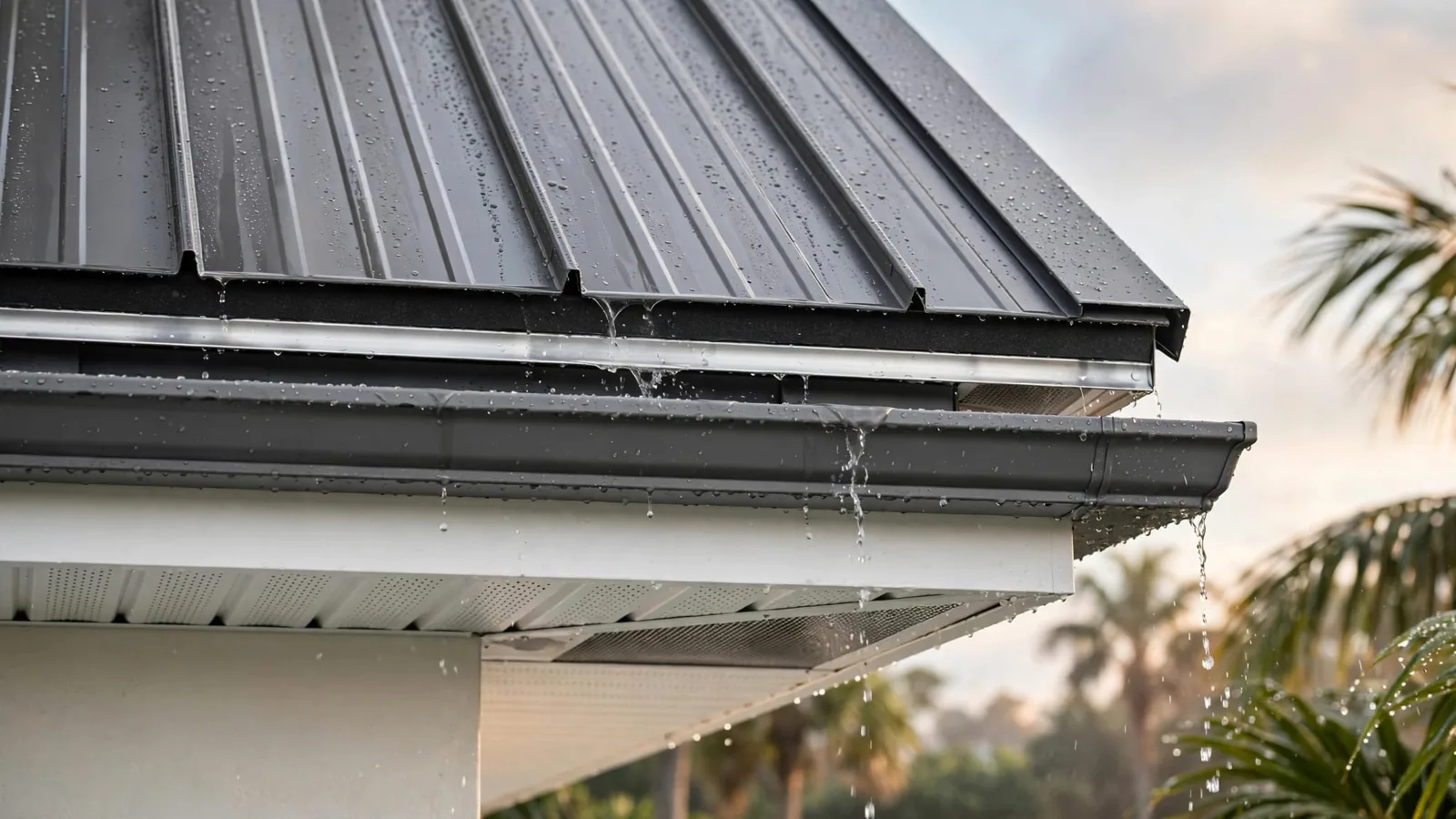
Port St. Lucie sits on Florida's Atlantic coast, and A 2022 NHC update placed Nicole's projected path toward the Fort Pierce area. Wind-driven rain can test perimeter metal, curb flashing, and seams while heat works on exposed surfaces between storms. We document storm-related conditions separately from older wear, photograph temporary protection, and return when the roof is safe to inspect.
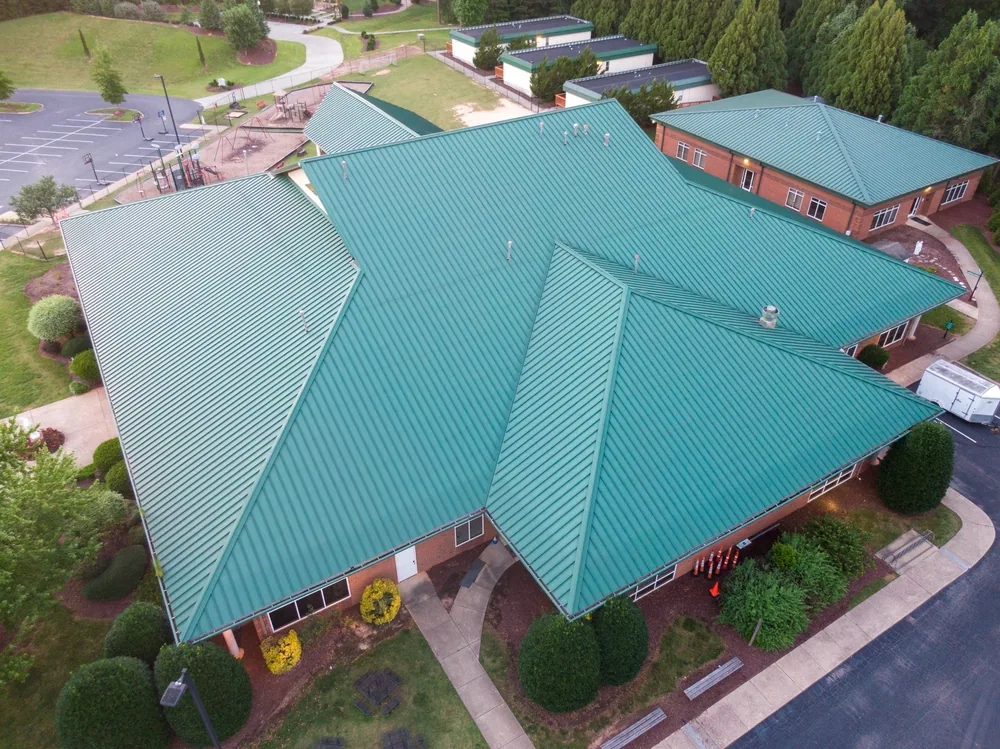
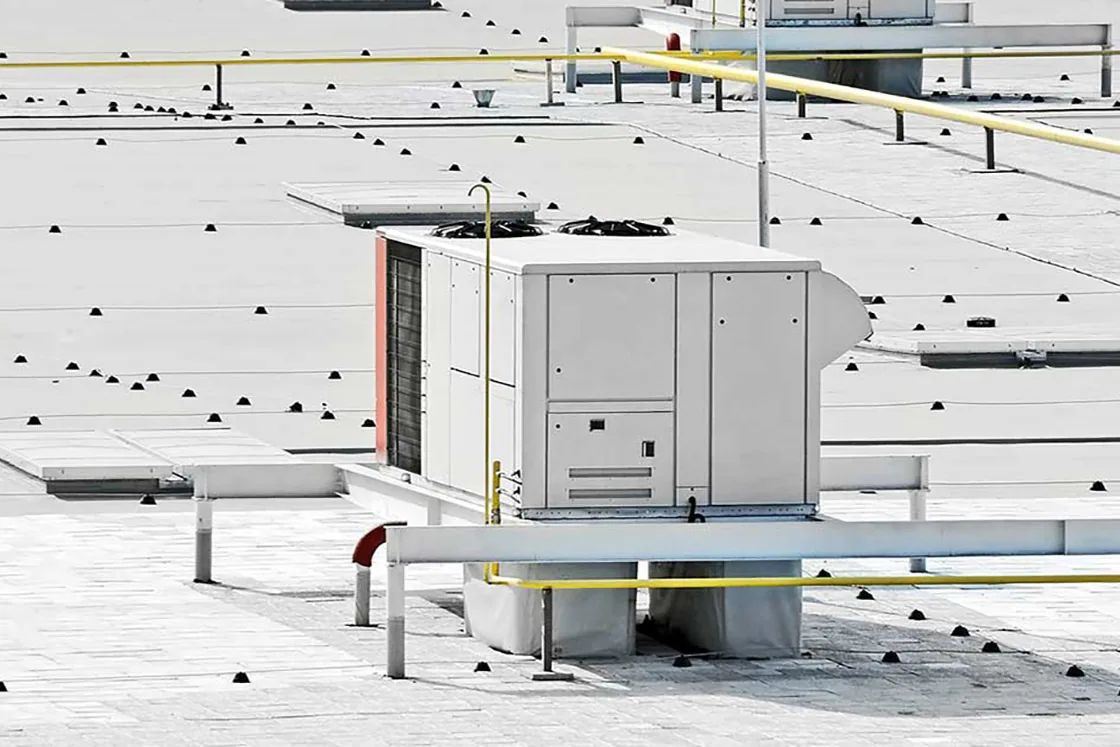
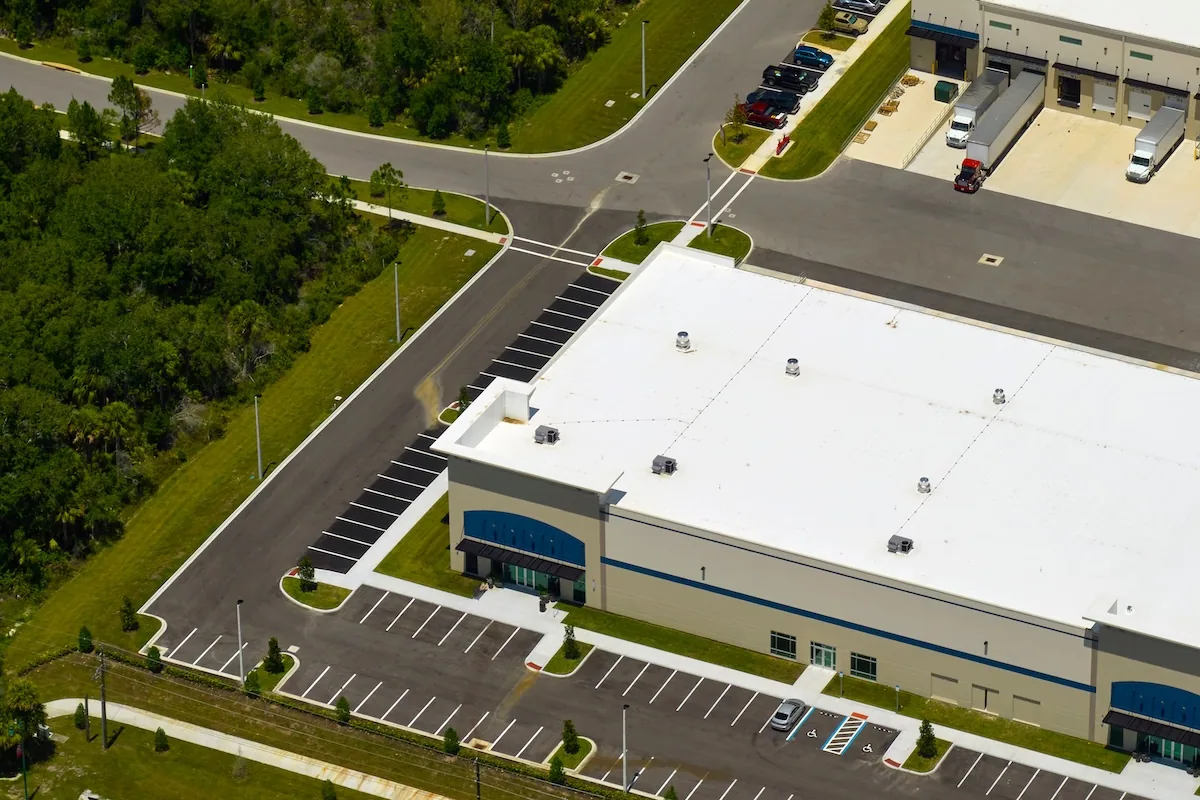
Work in Southern Grove and St. Lucie West may involve retail, office, industrial, or research uses in active development areas. The roof scope should fit the building's operating needs and the actual conditions found. Roof work in Southern Grove and commercial roofing in St. Lucie West can be sequenced around access, deliveries, tenants, and rooftop equipment.
Keep useful records
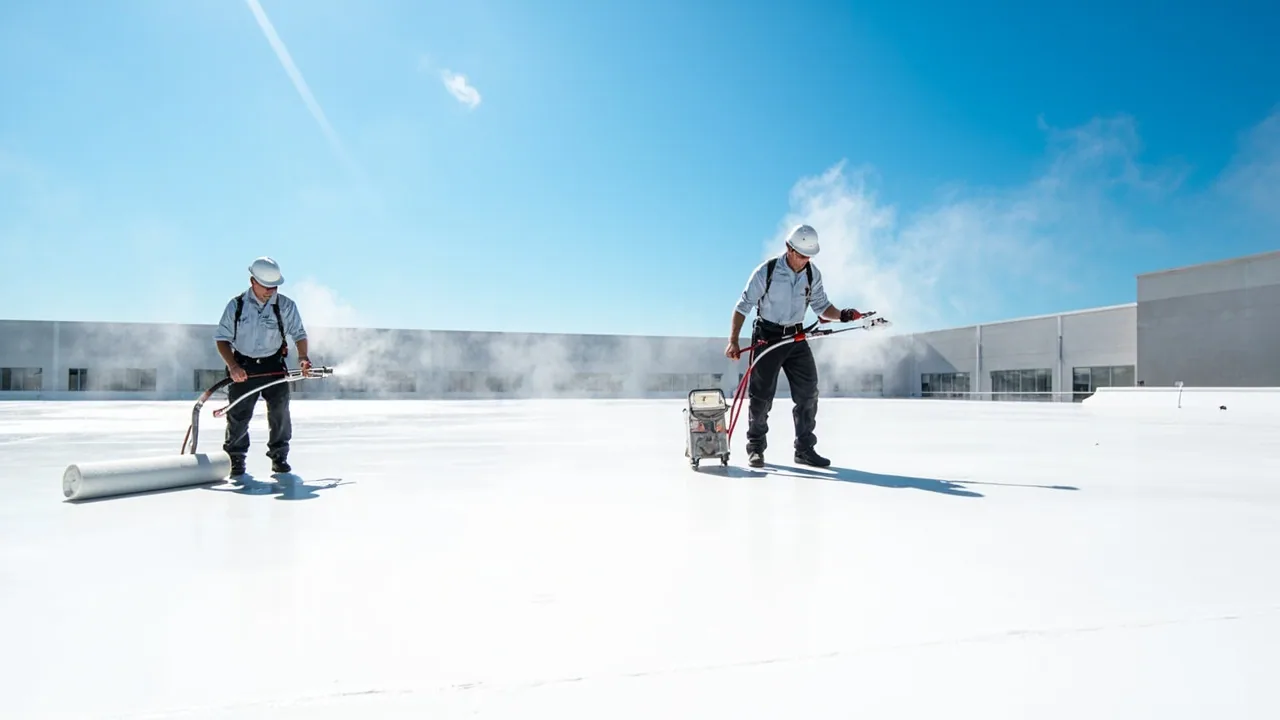
A maintenance visit is more useful when it records drain flow, seam condition, edge metal, penetrations, and any change since the last inspection. We note what was repaired, what remains under observation, and when the next check should happen. Preventive roof maintenance can establish that routine, and coating restoration can be considered only after the existing roof is evaluated for adhesion, moisture, and detail condition.
For urgent entry, call with the building location, current damage, and access limits. We will sequence the inspection and explain the next check.
Commercial Roofing Questions
Where should leak photos focus?
Include the affected room, approximate time, and roof access point if available.
Can you price a repair apart from replacement?
Yes. We separate immediate work from longer-term corrective options for comparison.
What can change replacement timing?
Access, wet materials, procurement, tenant schedules, and a safe weather window shape the sequence.
Do you maintain an existing coating?
We inspect adhesion, moisture, details, and drainage before selecting maintenance work.
Request a Roof Assessment