Read the assembly
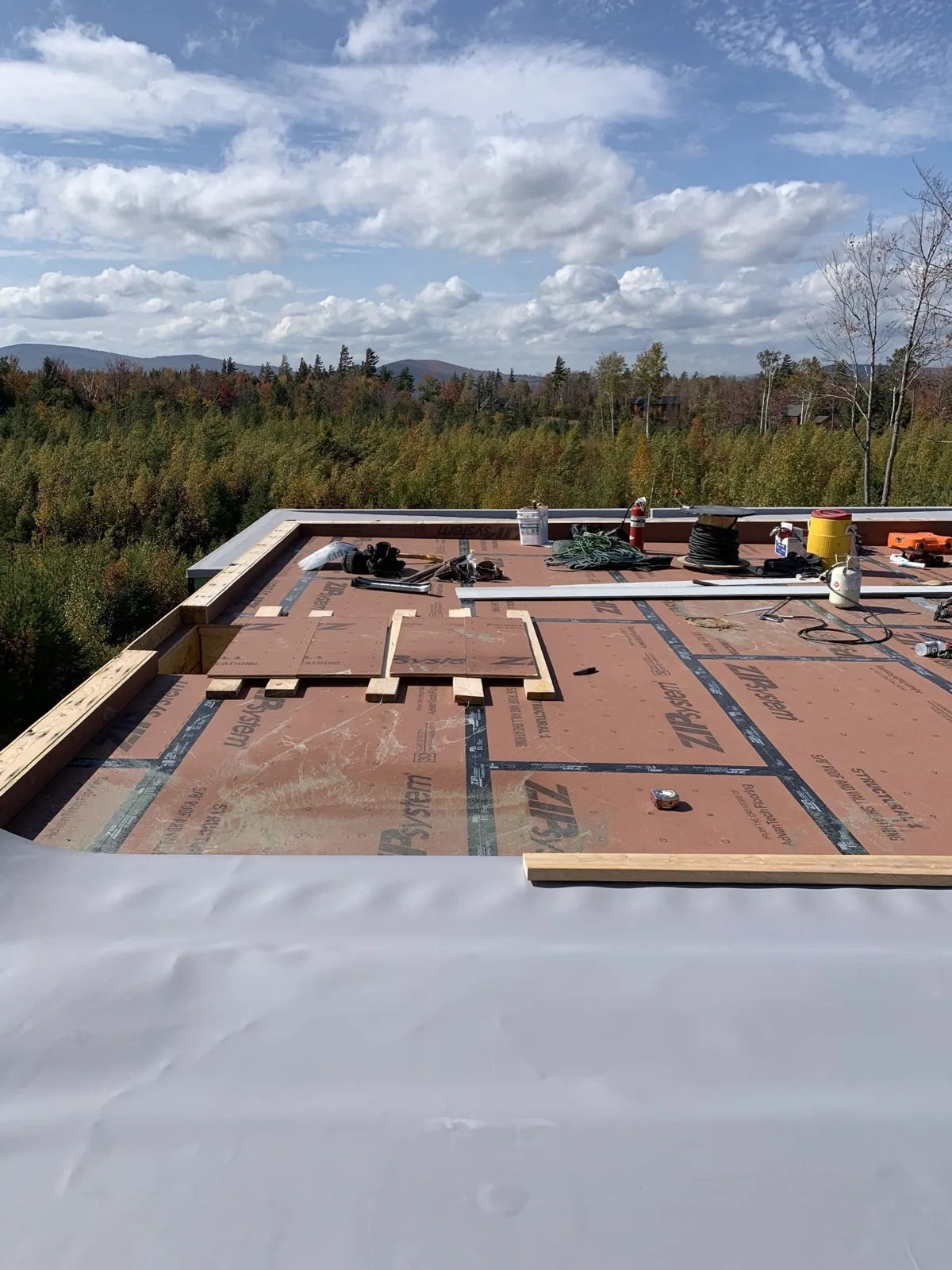
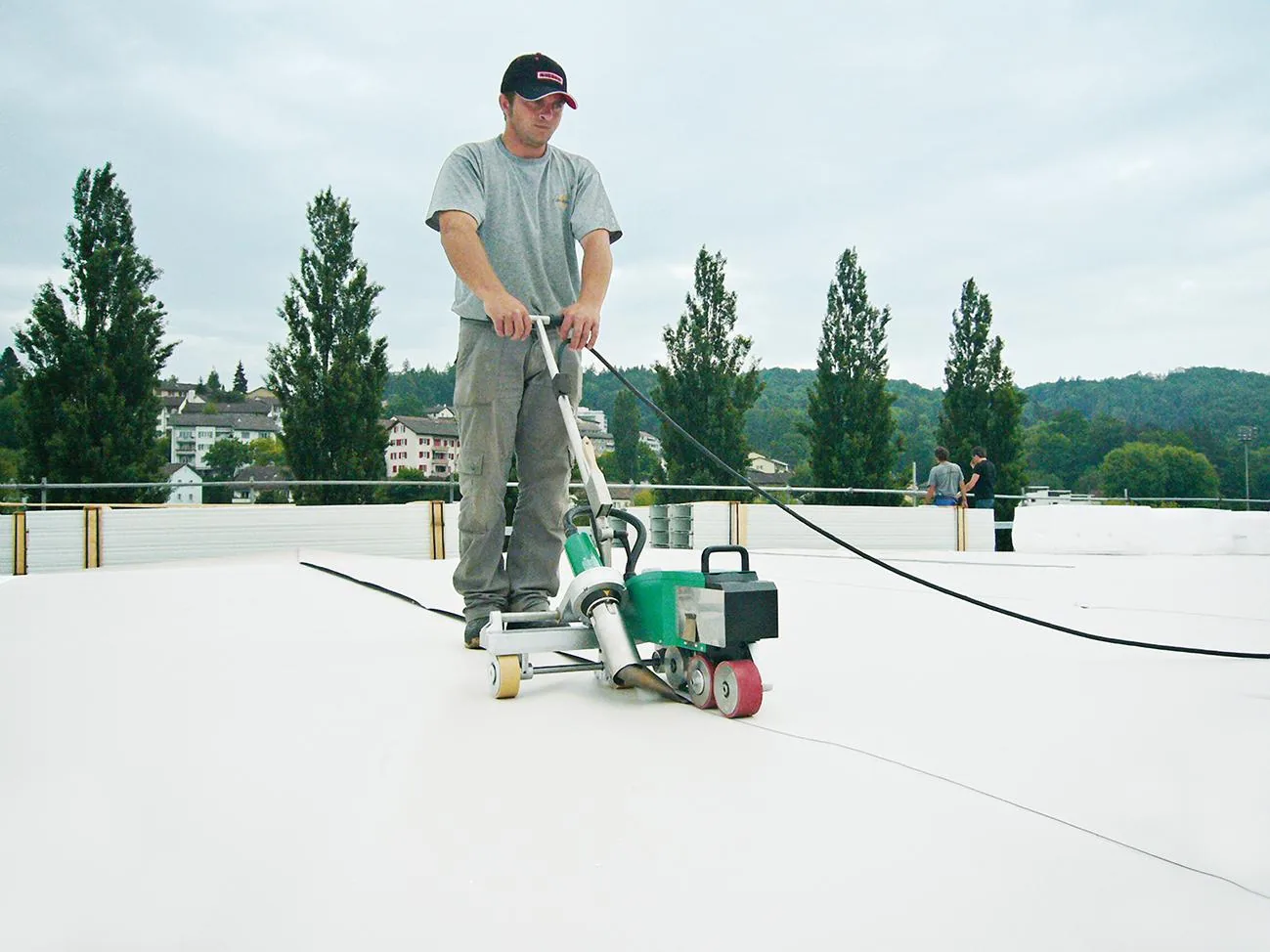
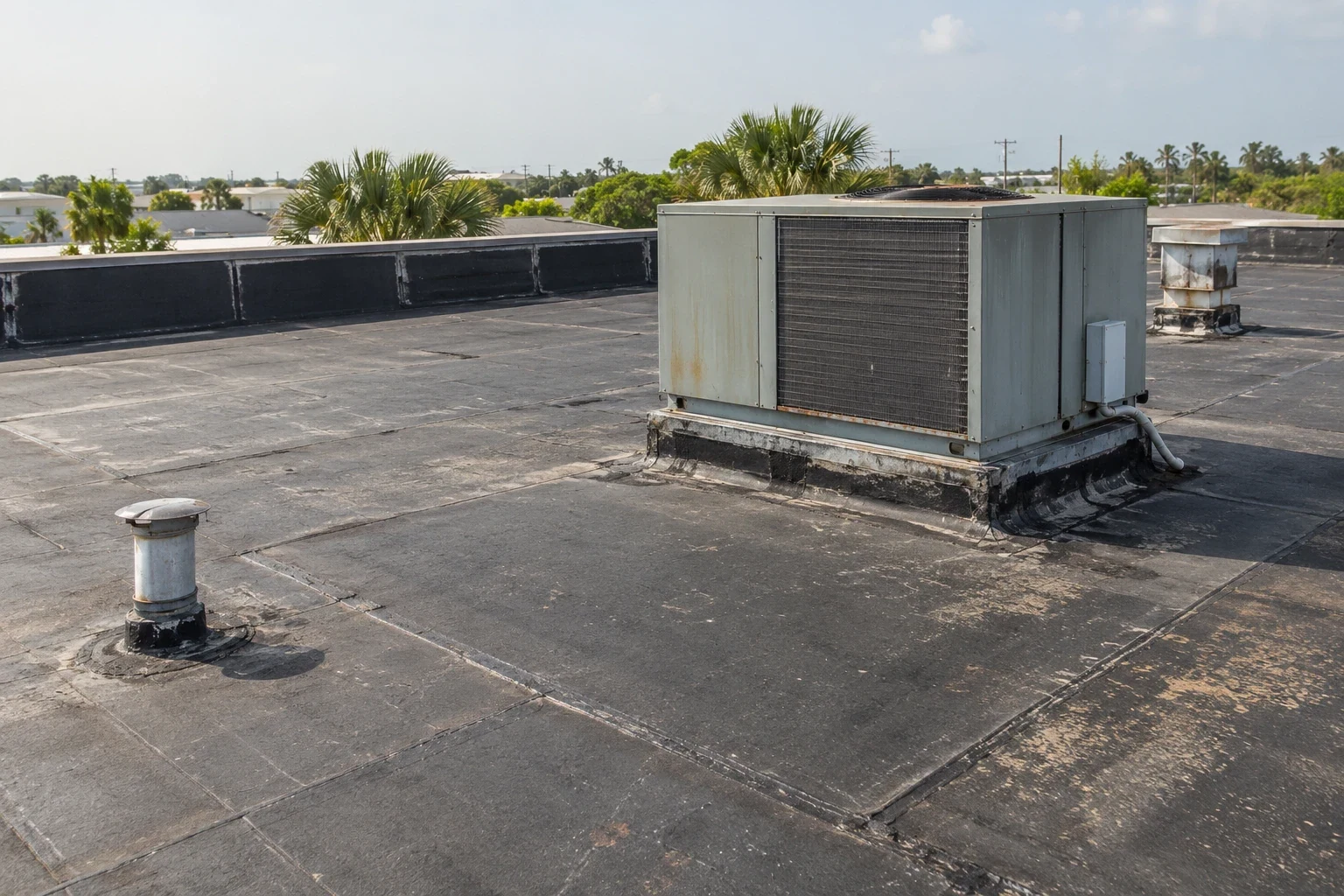
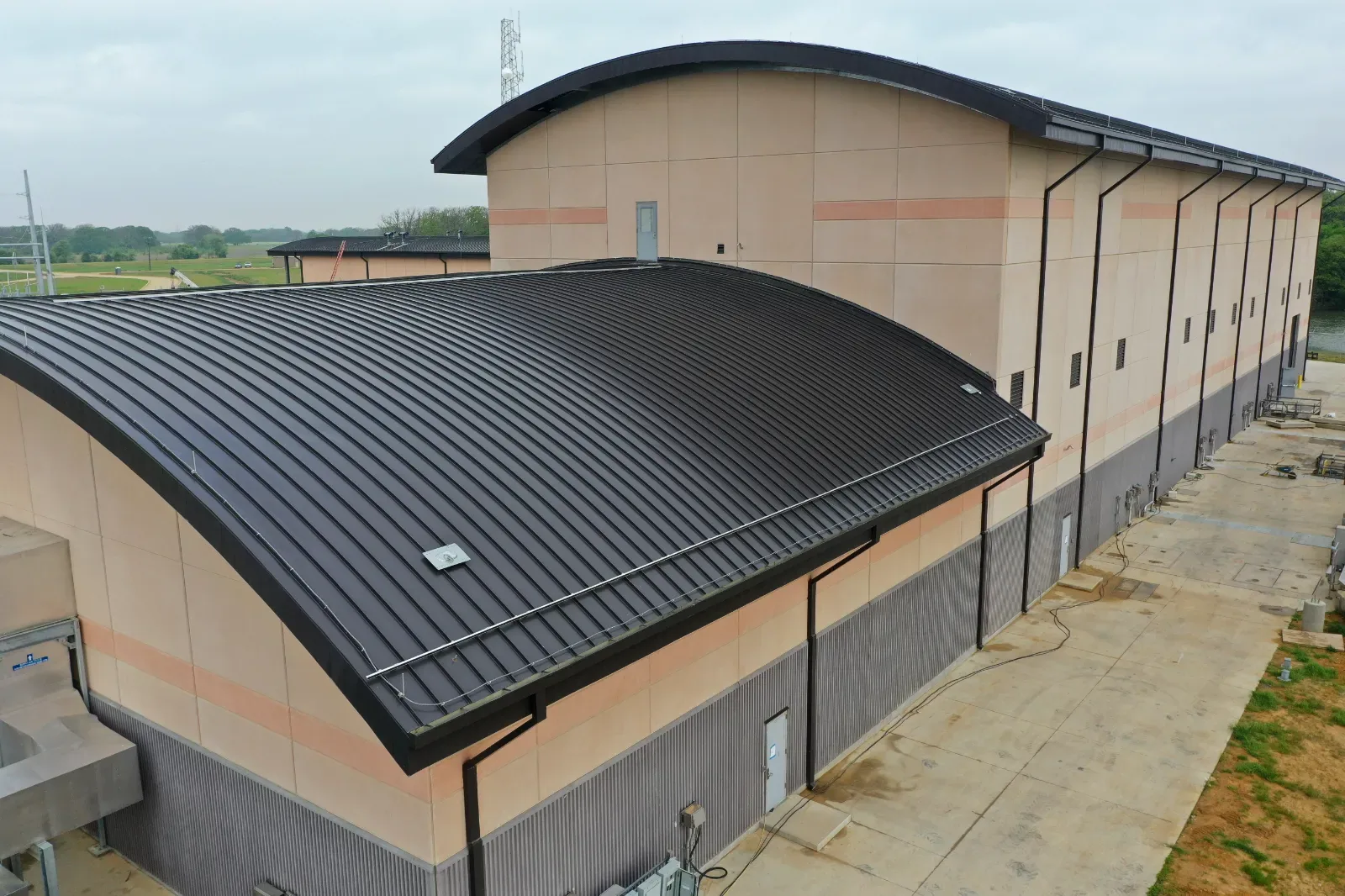
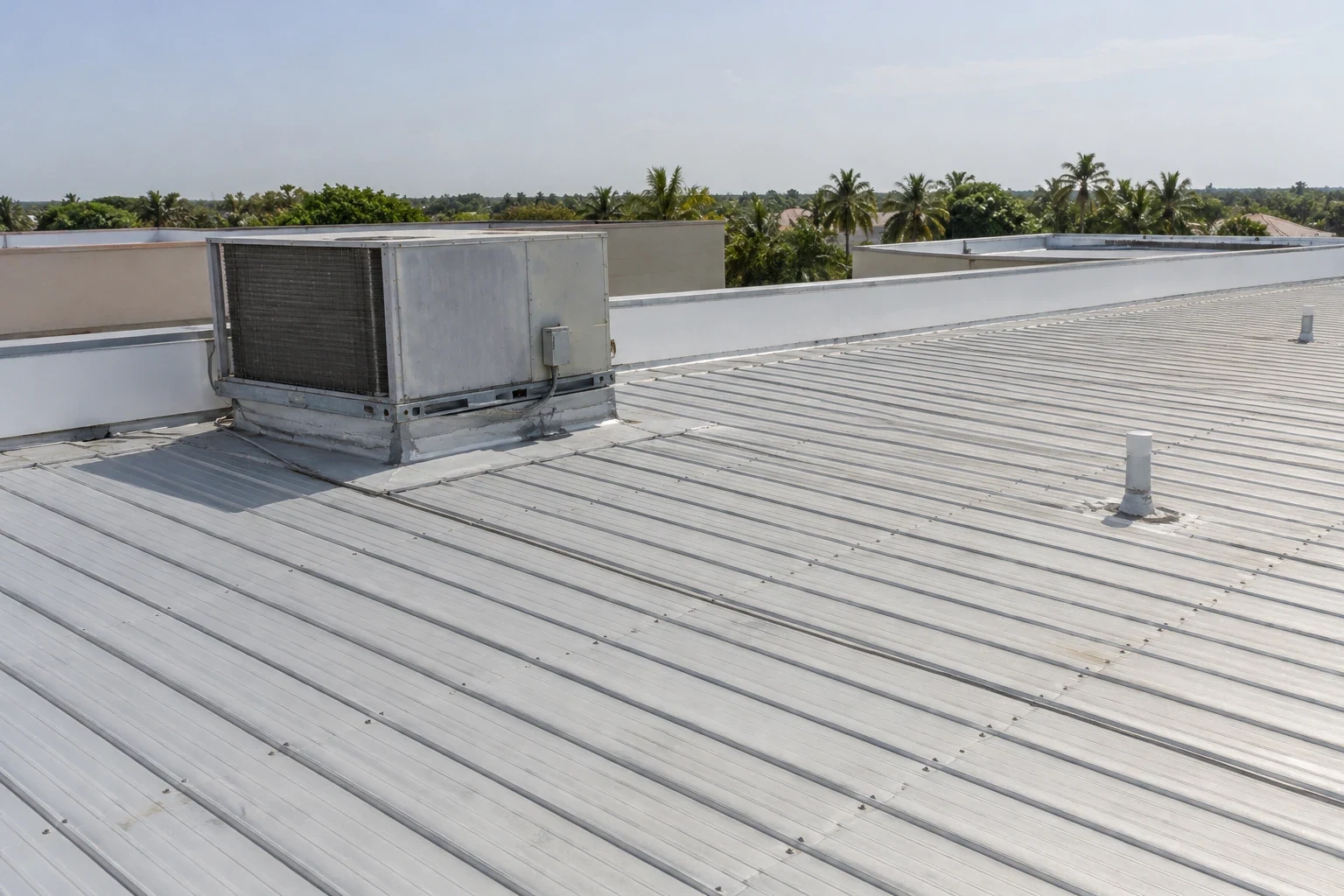
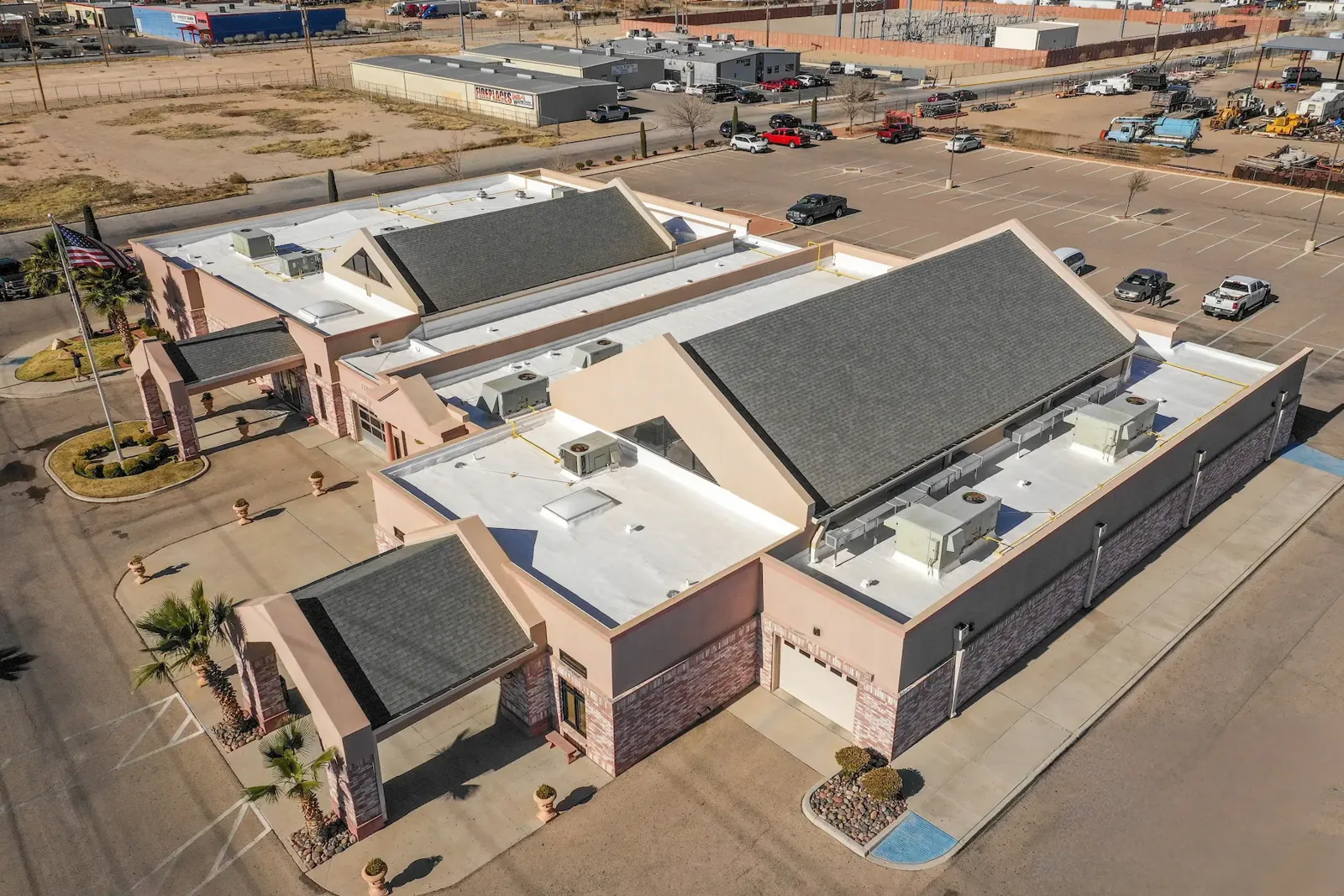
Single-ply membranes such as TPO, PVC, KEE, and EPDM rely on sound seams, secure terminations, and carefully flashed penetrations. A repair begins with finding whether water entered through a seam, a curb, a fastener, or a detail that moves differently from the field. Modified bitumen and built-up roofs need a different review of laps, surfacing, drainage, and layers. Metal systems call for attention to panel seams, clips, fasteners, and transitions. We explain what was found before proposing a system-level change.
TPO roof work and EPDM repairs each depend on the membrane condition and the surrounding details. For an older assembly, modified bitumen or standing-seam metal may call for a different scope than a single-ply repair.
Account for heat and rain
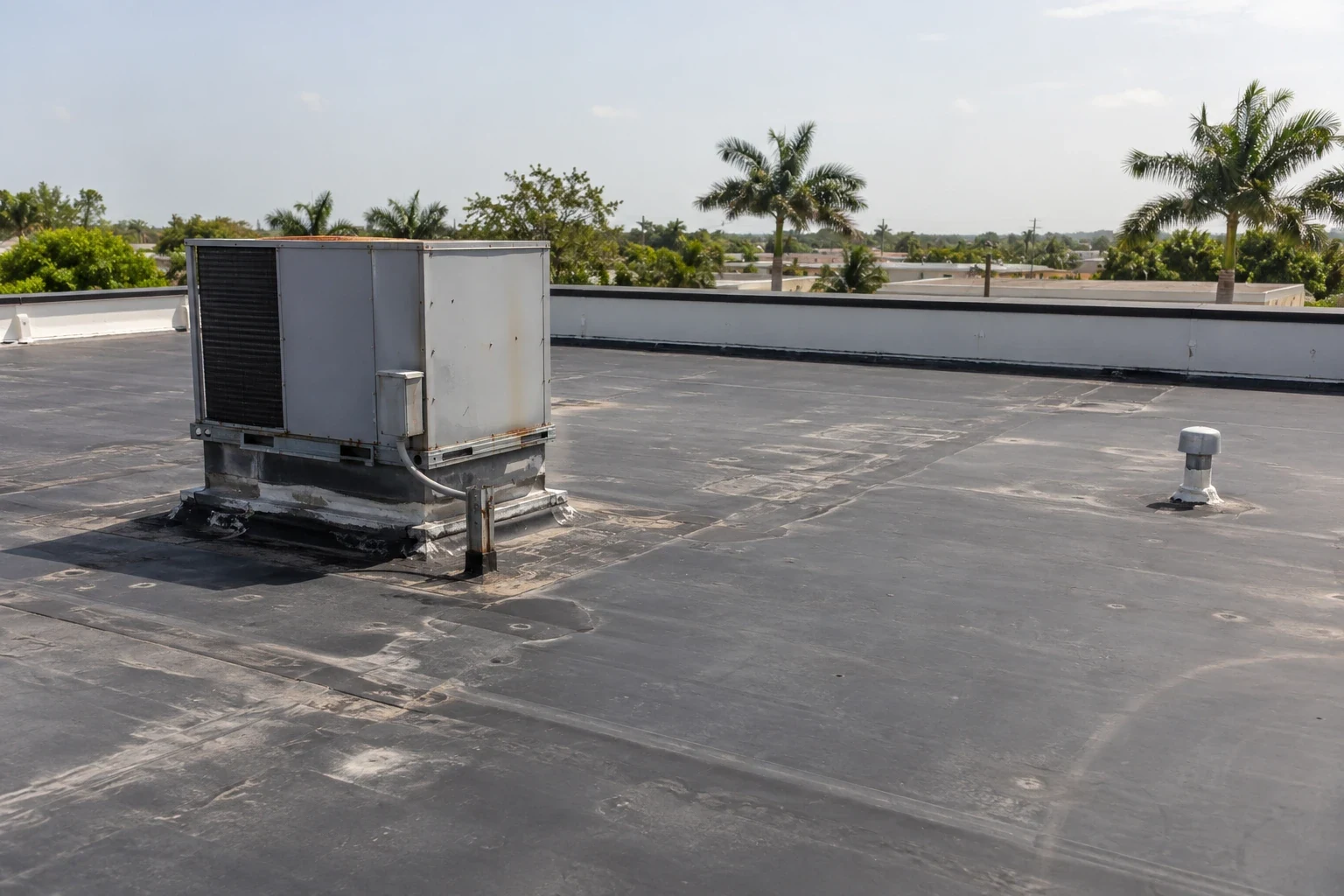
The Fort Pierce station's yearly mean temperature is 73.1°F, and nearly 67 days in its climate normals have highs of at least 90°F. On a roof, repeated heating can work on seams, flashing, and attachment details. The nearby 2024 report also logged 76 heavy-rain days, making clear drainage and sound transitions practical concerns. We check low points, outlets, scuppers, and the path from rooftop equipment toward the drains. If moisture may sit under a surface that appears intact, an infrared survey can help direct the next inspection step.
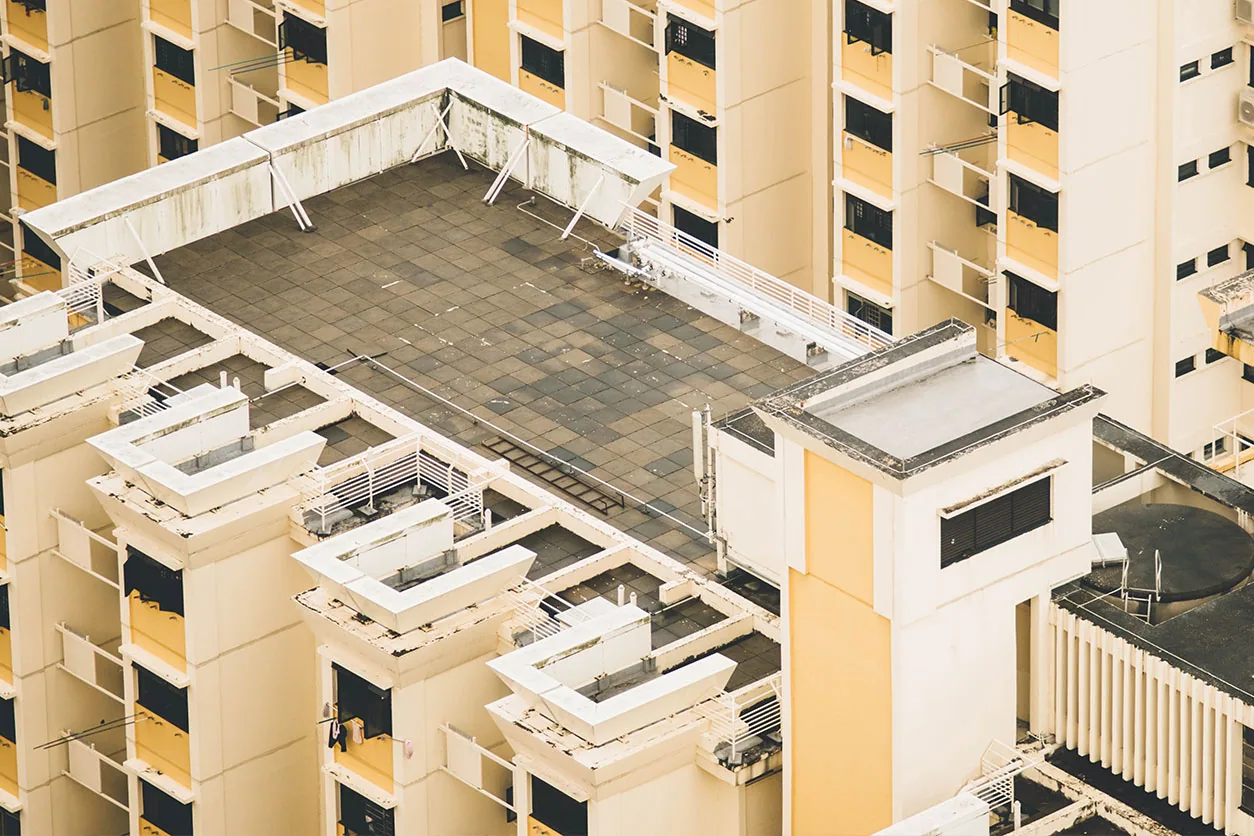
Southern Grove's development plan includes retail, industrial, office, and research uses. The St. Lucie West Industrial Park approval list includes six proposed warehouses north of Enterprise Drive. Those facts describe a range of development, not the roof construction at any specific property. We identify the actual assembly on site before discussing a coating, recovery, or replacement.
Compare the next moves
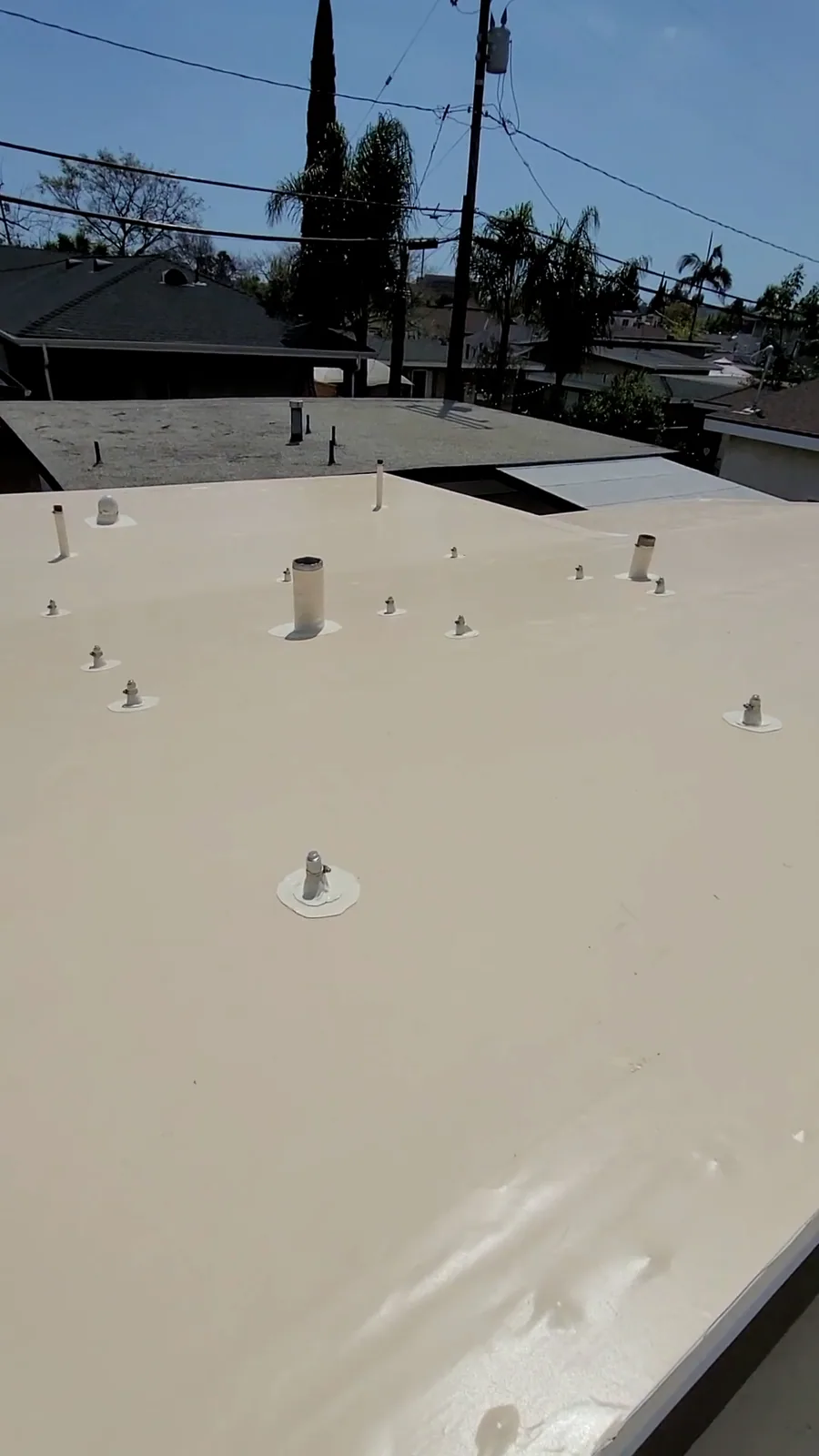
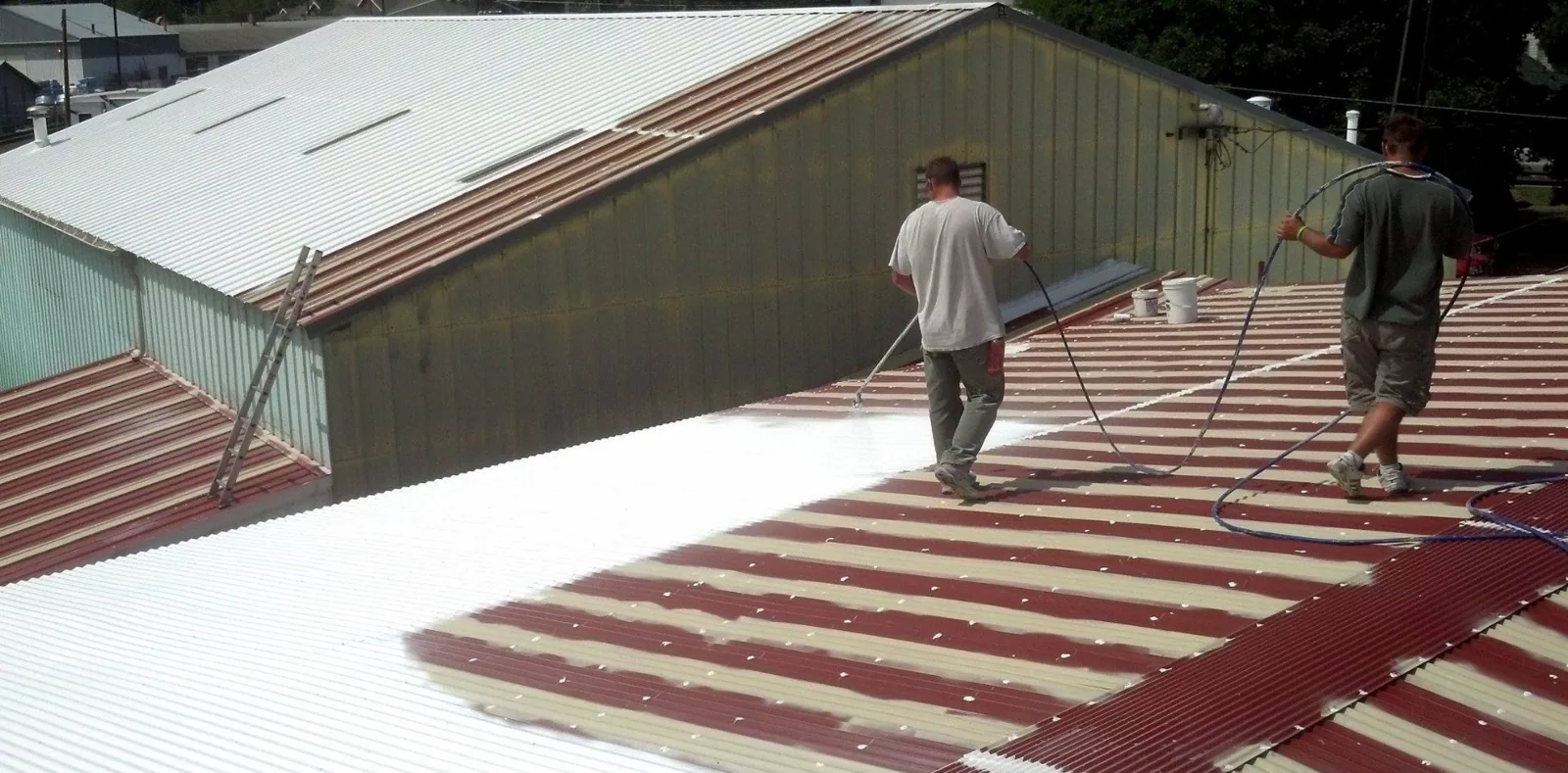
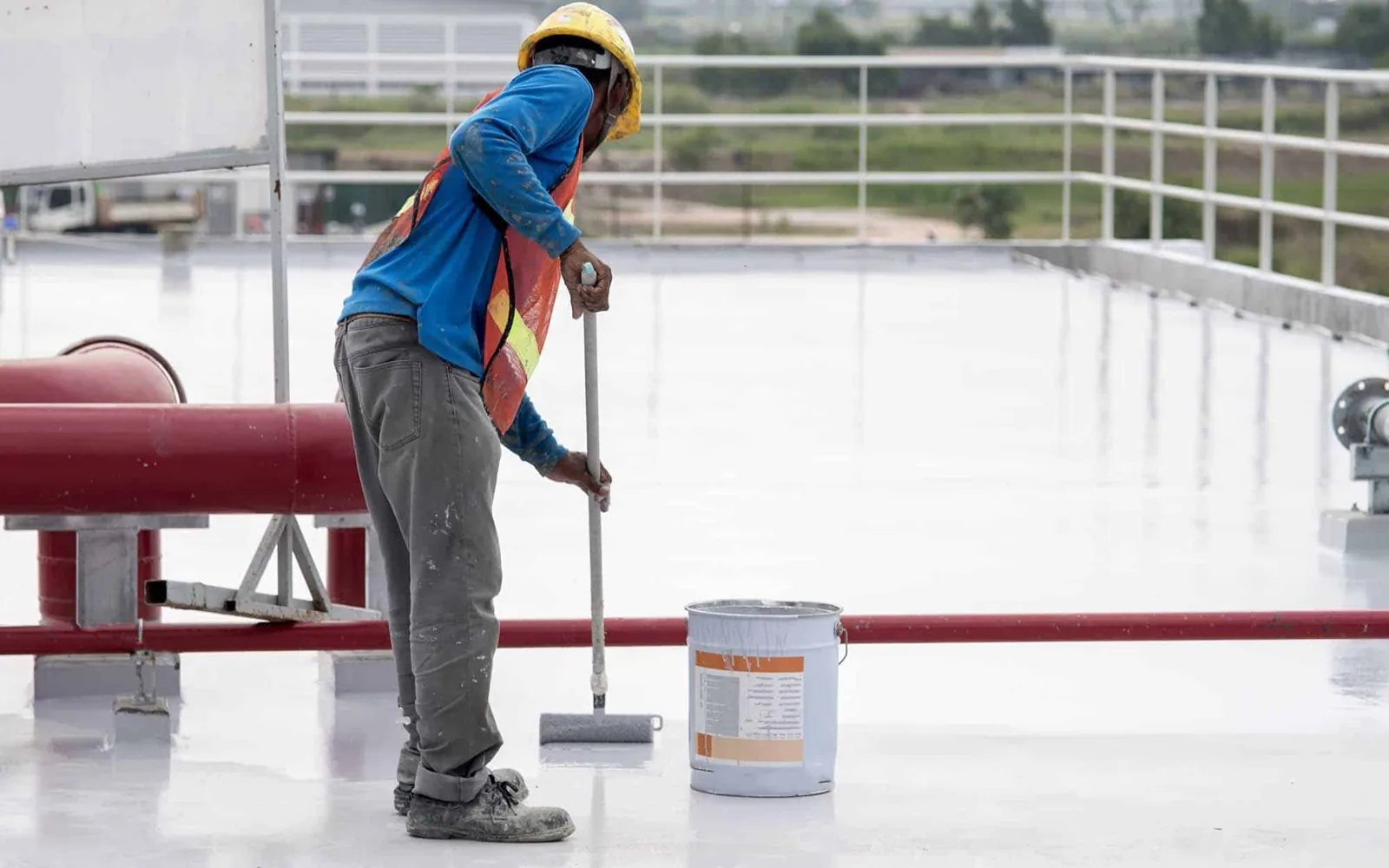
A coating can be considered when the existing roof is dry enough, stable, and suitable for the selected product. It does not correct saturated insulation, failed attachment, or unresolved leaks. Recovery may preserve a serviceable base, subject to code, loading, and manufacturer requirements for the chosen system. Replacement becomes more practical when moisture or widespread failure makes a localized fix unreliable. We separate these options, note what each leaves in place, and identify the conditions that would change the scope.
Silicone coating work and metal roof retrofit both begin with an assembly review. Owners planning larger work can compare a roof recovery with full replacement. We document the roof map, wet areas, and perimeter conditions so the decision has a field record behind it.
Protect the work window
In occupied offices, medical space, and retail properties, sequencing matters as much as material selection. We set access paths, protect entries and equipment, and coordinate noisy or exposed work with the building schedule. Weather changes can shorten a repair window, so temporary dry-in and clean end-of-day conditions belong in the plan. A written condition report records what was confirmed, what remains under review, and the next check after the repair.
Call with the property location, current leak or roof concern, and any access limits. We will inspect the assembly, photograph the findings, and lay out the practical next step for your Port St. Lucie building.
Commercial Roofing Questions
Can a coating fix a roof that keeps leaking?
Only after we find the entry path and confirm the existing surface can accept that system.
What changes between TPO and EPDM repair?
Seam construction, membrane condition, flashing details, and the approved repair materials guide the scope.
When is recovery worth evaluating?
We check moisture, attachment, loading, and code requirements before comparing recovery with tear-off.
Will a roof inspection identify hidden moisture?
Surface checks can find clues; infrared review or a targeted opening may be needed to confirm wet insulation.
Request a Roof Assessment