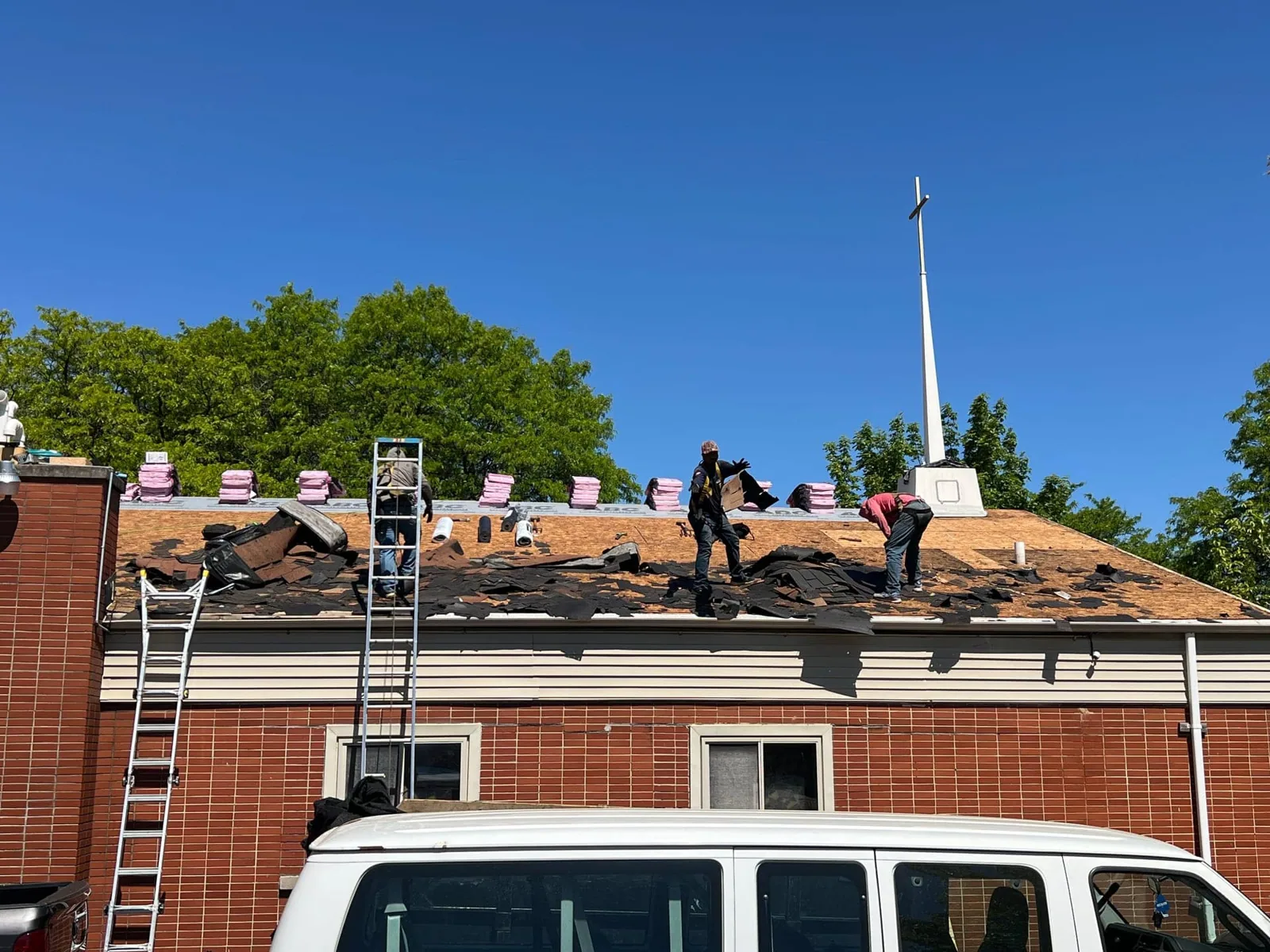
Separate storm damage from older wear
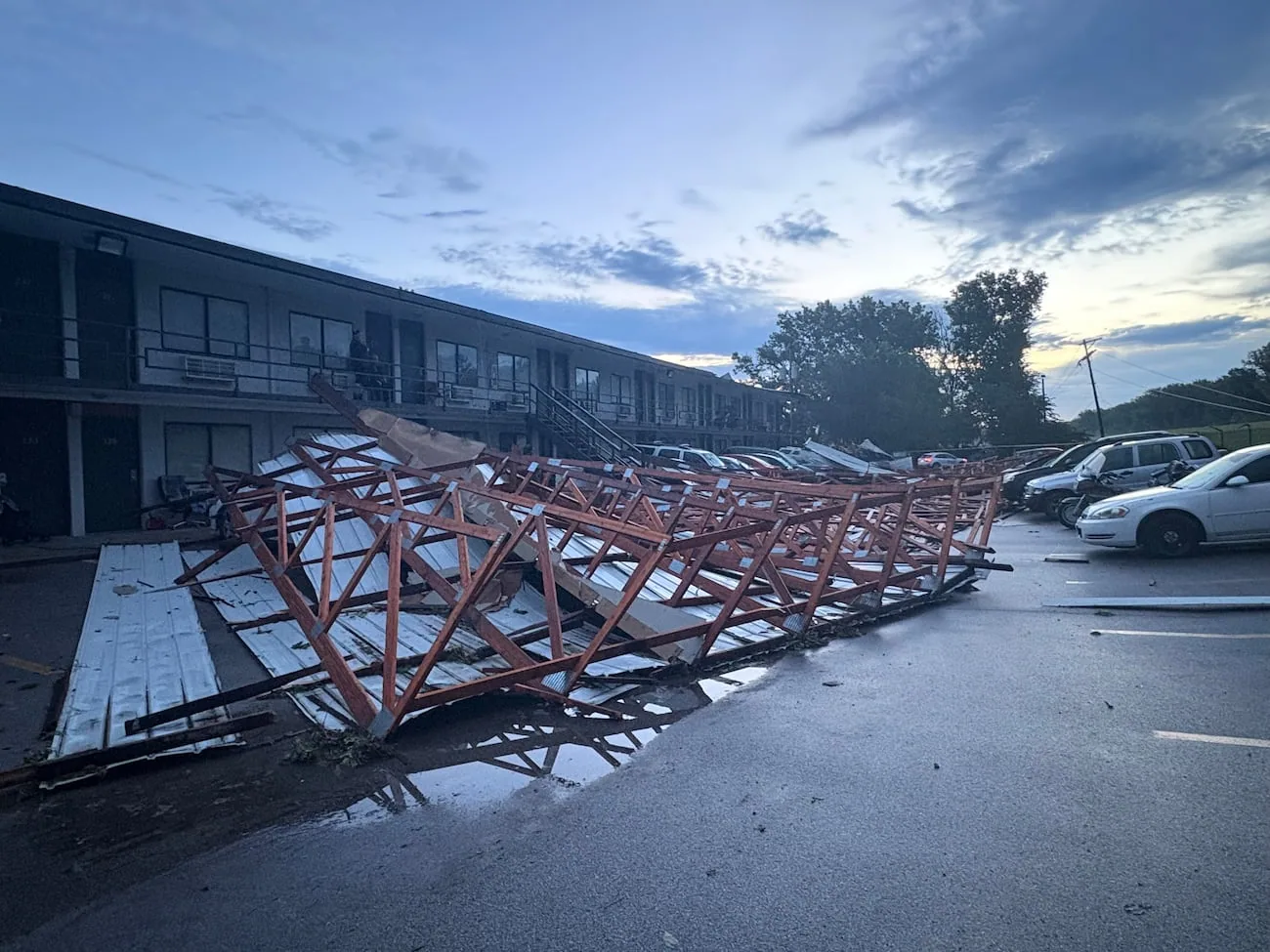
Wind can lift perimeter metal, open a seam, or move debris against a drain. Heavy rain can expose a blocked outlet or a flashing detail that already needed attention. A 67 mph peak gust was recorded in the Fort Pierce 2024 climate report, while the year also included frequent thunderstorms and heavy-rain days. Those regional records help explain why prompt documentation and drainage review matter; they do not establish what happened on a particular roof. We photograph the affected areas and compare them with the building's repair history.
Wind-damage roof repair starts with edges, seams, and penetrations. Hurricane-related roof checks also account for wind-driven rain and safe access after a storm. A written report separates observed damage from conditions that need another inspection.
Follow the water back
Water may travel beneath a membrane before it reaches an interior ceiling. We check drain flow, scuppers, curb flashing, seams, and transitions near the reported area. If insulation may be wet, an infrared survey can help identify where a targeted check is most useful. We avoid treating the room where water appeared as the full repair boundary until the roof confirms it. That distinction can prevent a small visible stain from hiding a broader wet area.
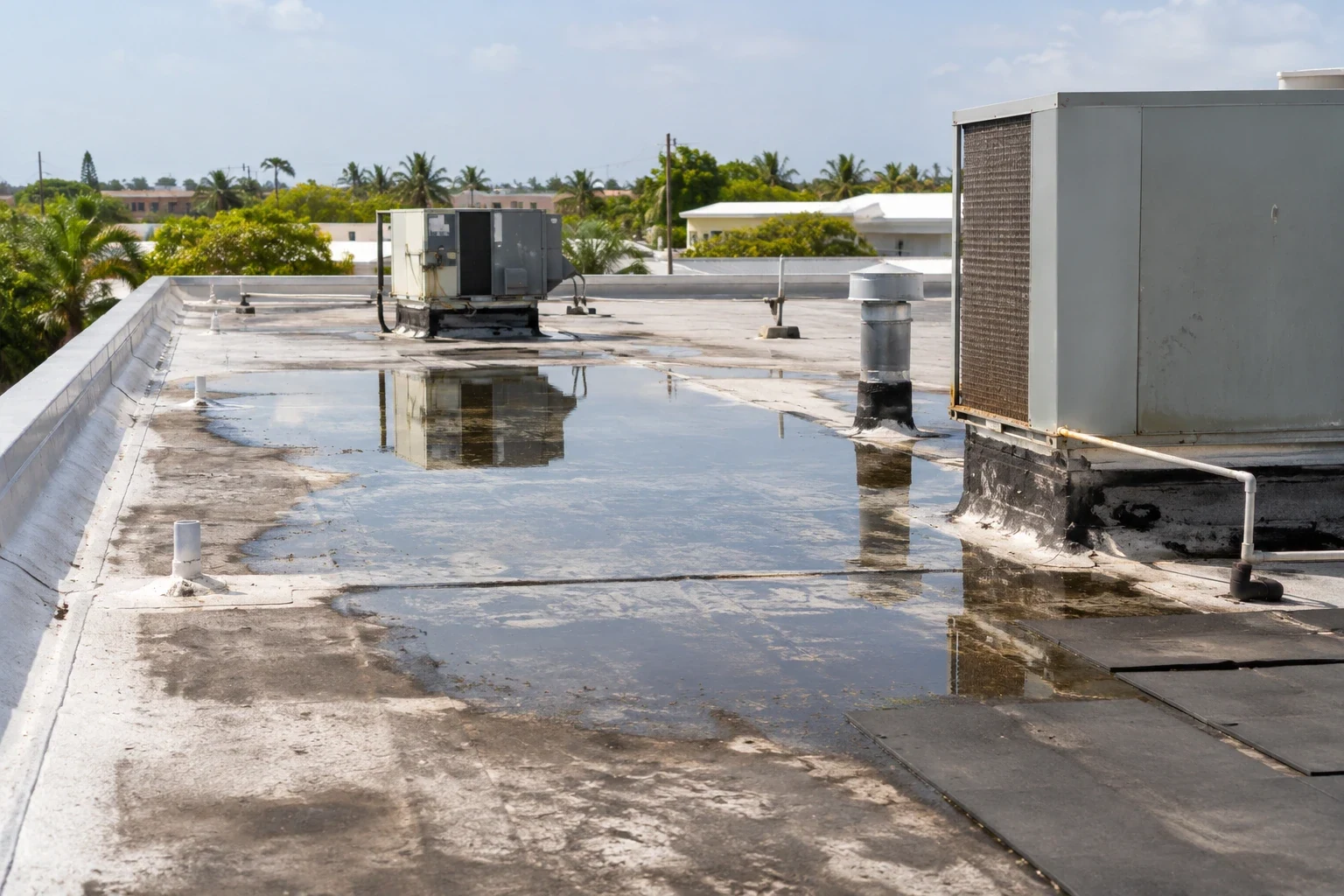
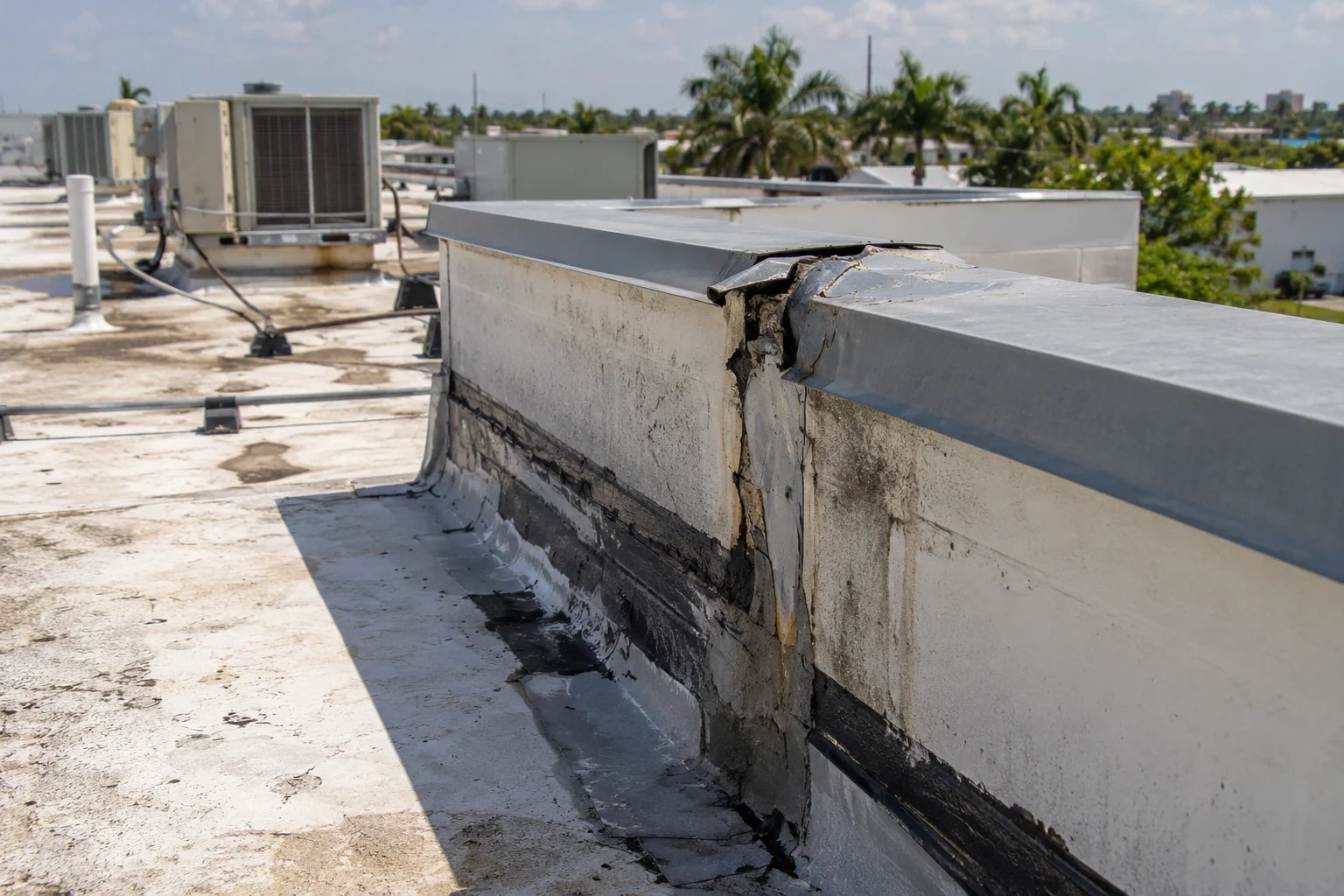
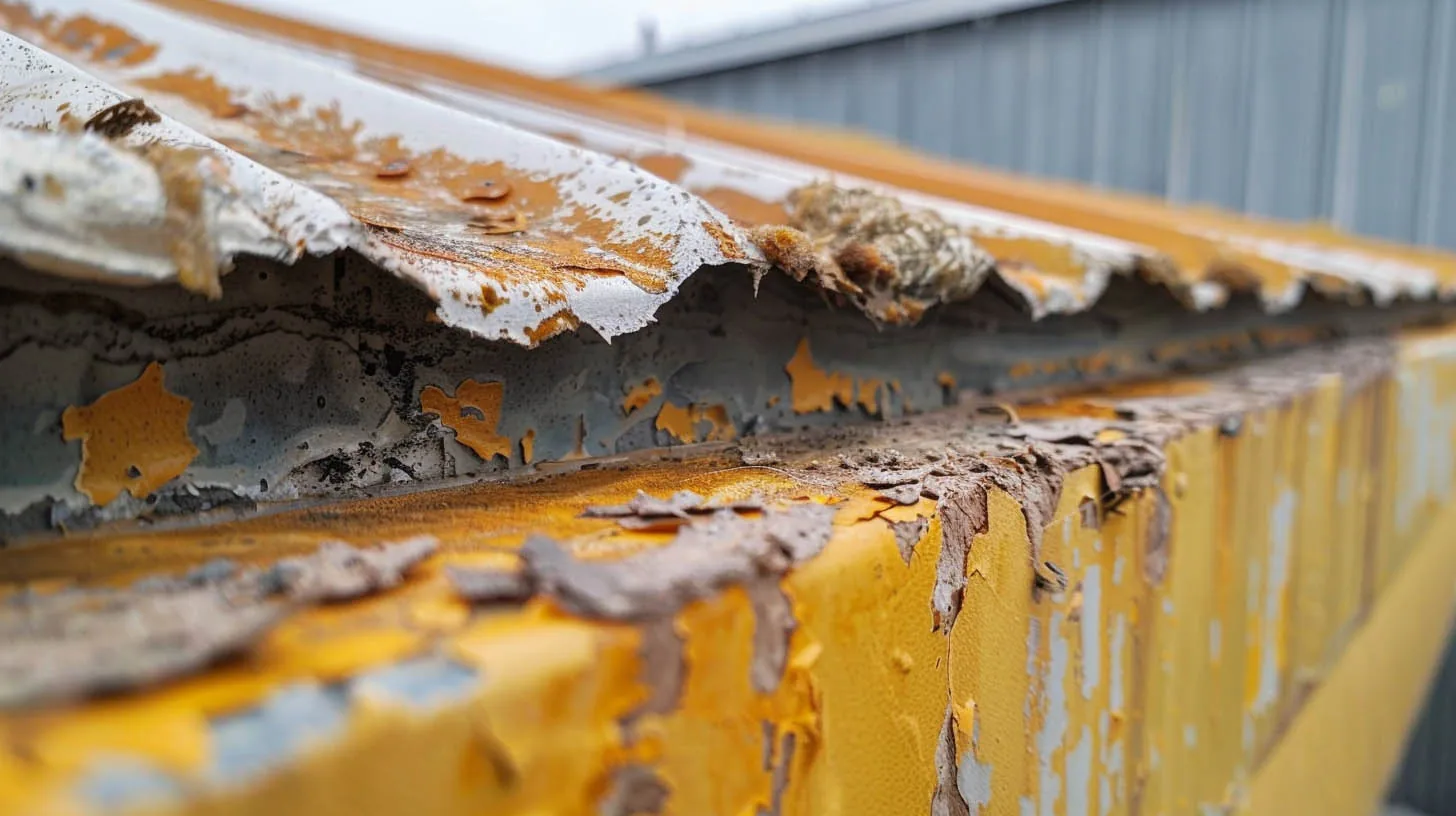
Ponding-water repair addresses drainage and low points; flashing repair looks at the transitions where walls, curbs, and roof surfaces meet. For an open seam, seam-failure work begins with the membrane type and the condition around the split.
Set a repair window
Temporary protection may be appropriate while rain continues, but a lasting scope needs safe access and a dry work window. We record the temporary measures, return to inspect the full roof area, and list what was repaired or left for follow-up. Cost and timing depend on access, wet materials, system compatibility, staging, and whether tenants or equipment must remain protected. If damage extends beyond a local detail, we compare repair with recovery or replacement and identify the condition driving that decision.
The City lists six proposed warehouses north of Enterprise Drive in St. Lucie West Industrial Park. Southern Grove's plan includes research, industrial, commercial, and multifamily uses. We inspect the actual roof at each property. Emergency roof response can address active entry, while claim documentation can organize photos and observed conditions for the owner's records.
Leave a clear next check
Our report maps the affected roof area, notes drainage and perimeter conditions, and records what remains uncertain. That gives ownership a basis to schedule a repair, keep tenants informed, and revisit the area after the next weather event. Properties in Southern Grove and St. Lucie West can contact us with the property address, active leak or damage, and any site-access limits. We will sequence the inspection and explain what the roof shows.
Commercial Roofing Questions
What should we do while rain is still entering?
Protect people and equipment below, then call so we can assess safe temporary dry-in options.
Does a ceiling stain show where the roof failed?
It marks where water appeared indoors; we trace the roof path before setting the repair boundary.
Can storm photos support a repair record?
Yes. We pair dated field photos with the roof map and note what the inspection confirmed.
When should we inspect after temporary protection?
We return when conditions allow safe access and a complete check of seams, drains, and flashing.
Request a Roof Assessment