Match product to assembly
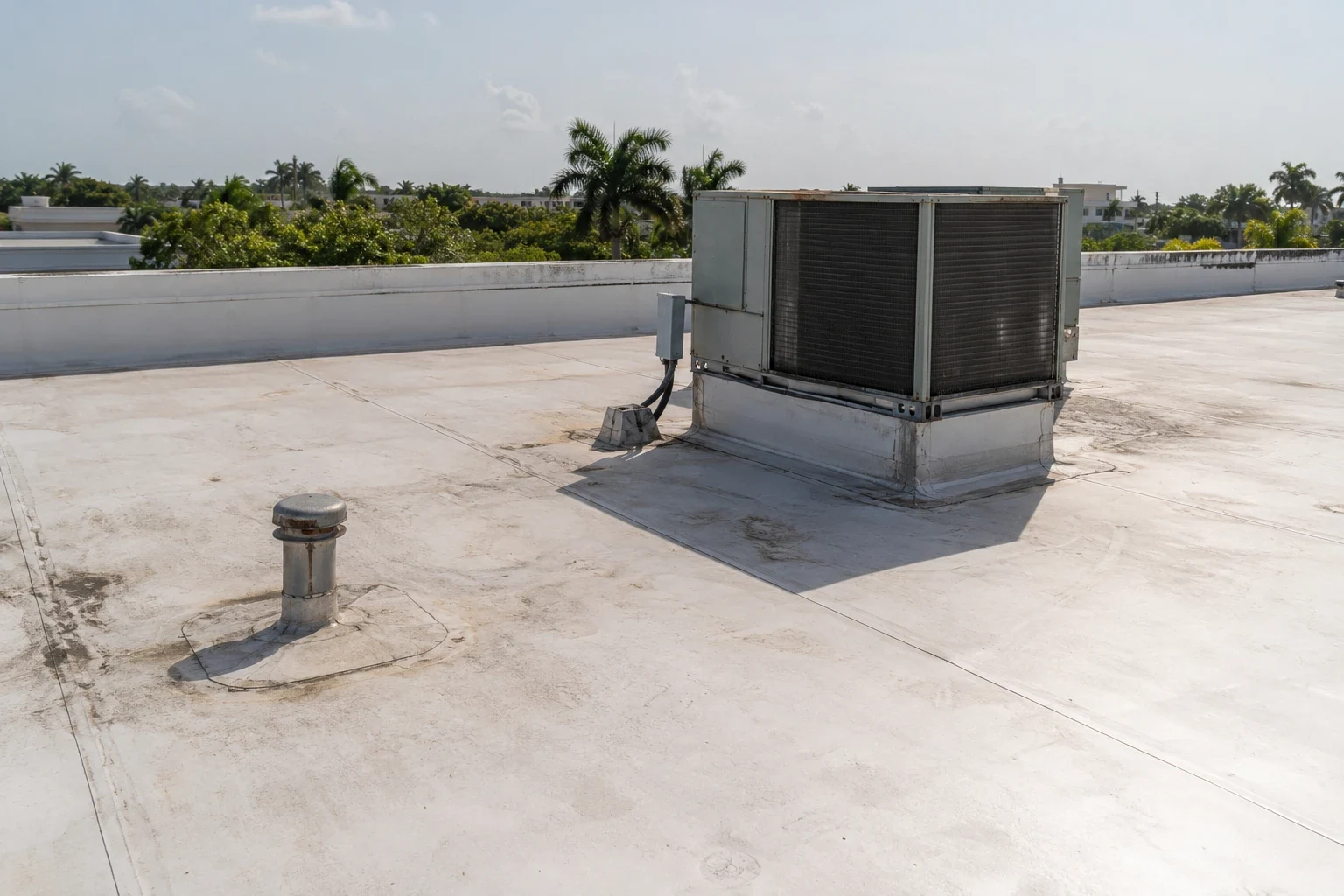
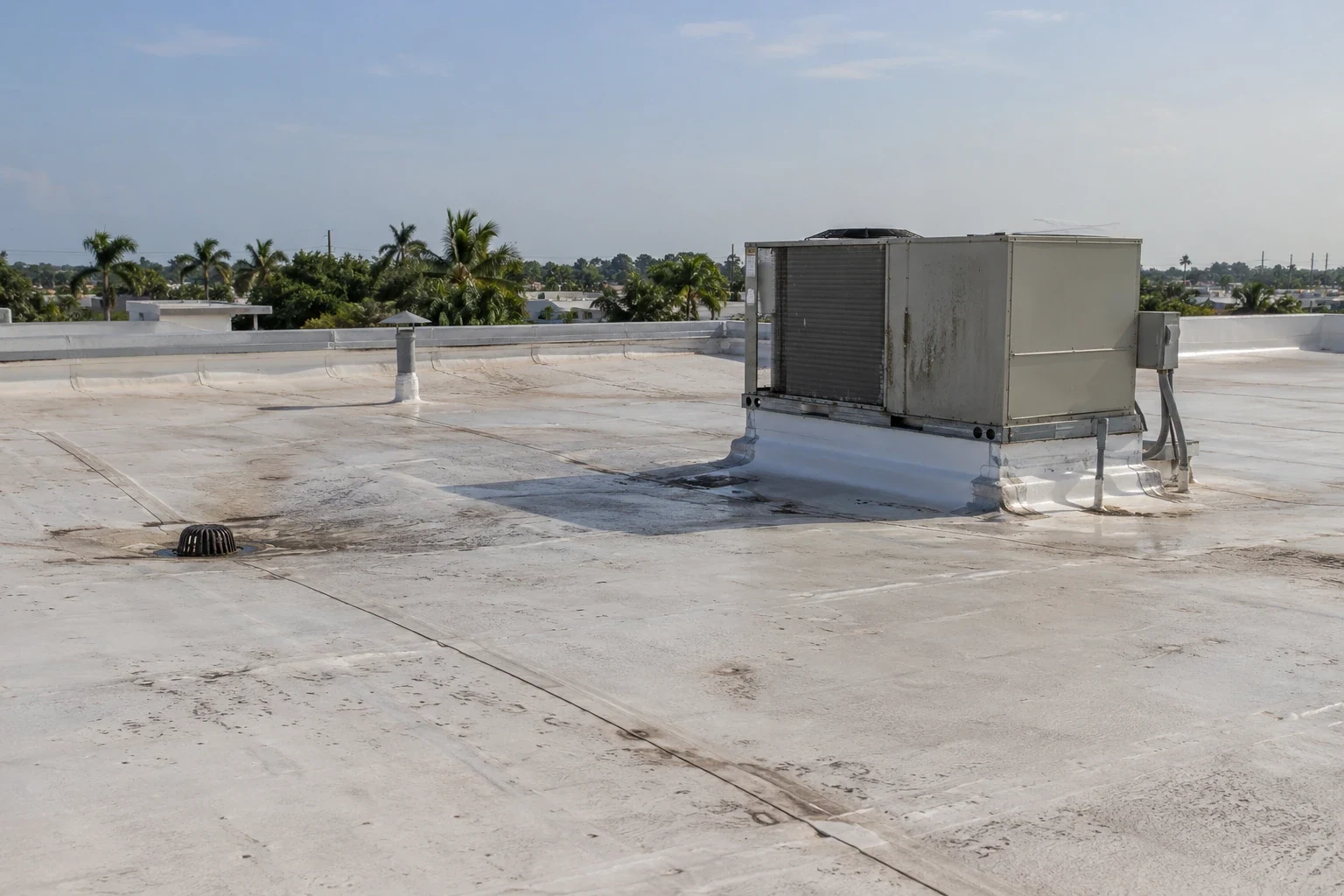
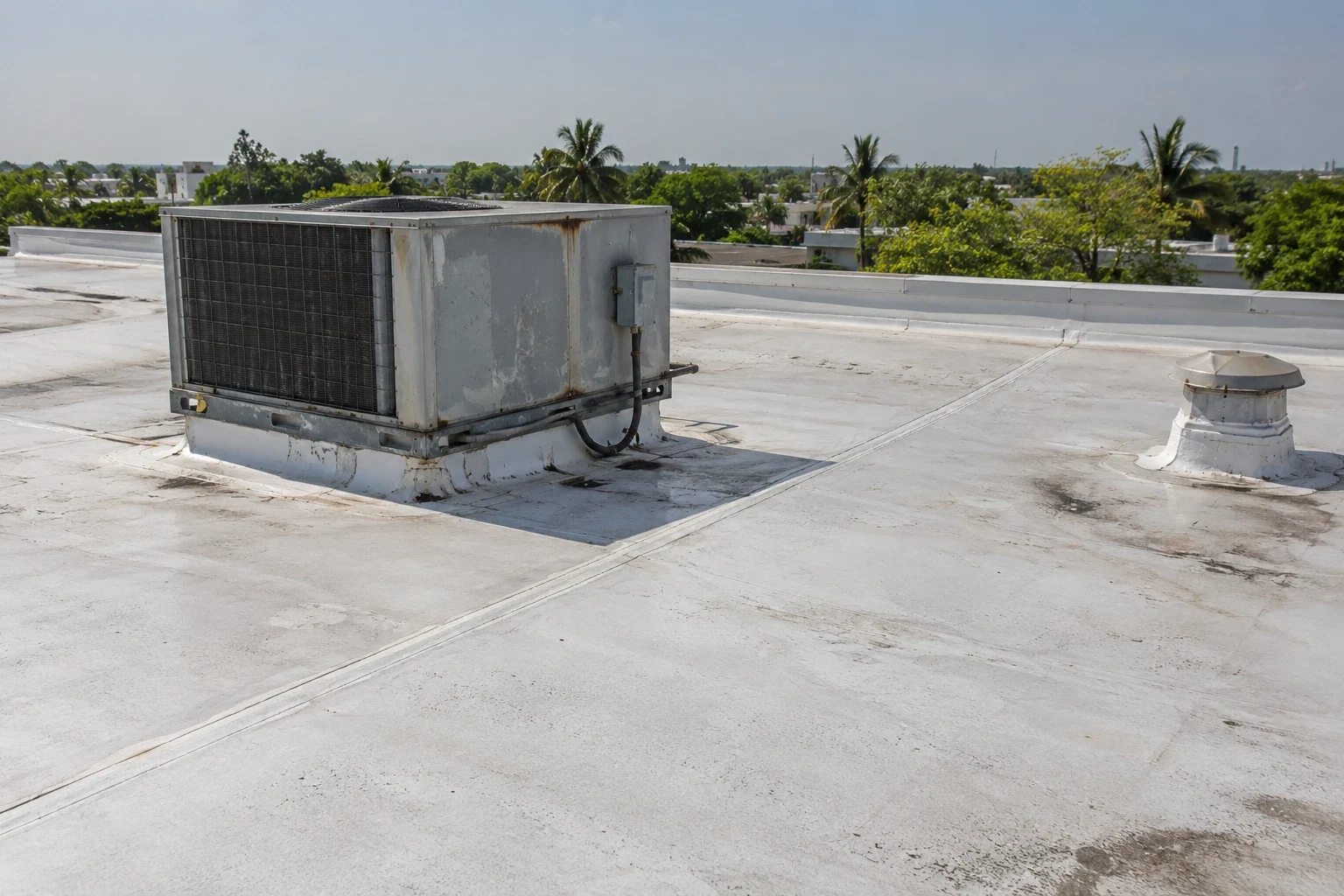
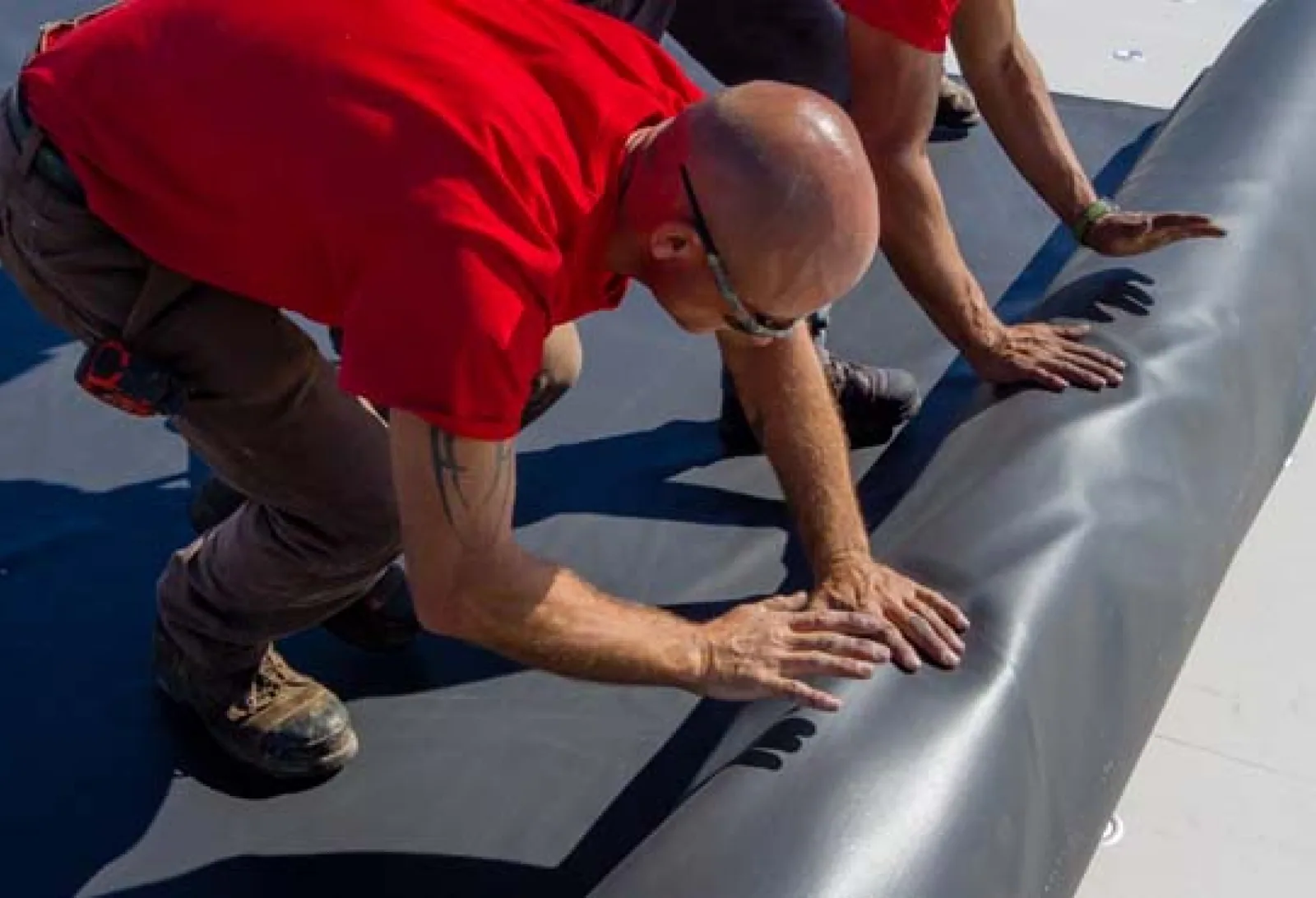
TPO, PVC, KEE, and EPDM are single-ply membranes, but their seam methods and compatible repair materials differ. Modified bitumen and built-up assemblies use layered construction and require a different look at laps, surfacing, and transitions. Metal panel work turns on seams, clips, fasteners, and flashing at edges or penetrations. We follow the selected manufacturer's current installation requirements for the system in the scope and record the field conditions that affect the work.
Carlisle SynTec systems and Sika Sarnafil membranes can be compared by assembly and repair needs. Johns Manville roofing products and GAF systems also require the roof to be evaluated before a product is selected.
Check what the roof can support
Heat and repeated rain make seams, insulation, drainage, and perimeter details worth careful review. The Fort Pierce station's yearly climate normals include nearly 67 days with highs reaching 90°F; the station logged 54.08 inches of precipitation in 2024. Those figures describe the nearby weather station, not a promise about a particular roof. We use them as context for checking how the assembly handles thermal movement and water exposure. Wet insulation, loose attachment, or incompatible layers can change a coating or recovery decision.
Southern Grove's planned capacity spans research, industry, and commercial uses. The St. Lucie West Industrial Park project list includes six proposed warehouses north of Enterprise Drive. We identify the roof in place, verify the substrate, and note details that need manufacturer-compatible treatment. TPO roof work and silicone coating systems follow different preparation and application steps.
Keep the scope verifiable
A useful proposal identifies the system, preparation, insulation or cover board work, flashing details, attachment, and any limits caused by access or weather. We photograph the roof before and during work, record transitions and terminations, and note the next inspection point. Those records help an owner review what was installed and maintain the roof after the crew leaves. They also help separate a manufacturer requirement from a condition that calls for field review.
For repairs, Versico membrane products or Soprema systems are considered with the existing roof and approved materials. A full replacement plan may compare Holcim Elevate options and standing-seam metal where the building and scope support that system. Call with the location, current roof concern, and access limits so we can inspect before recommending products.
Start with a roof inspection
We can review a leak, an aging roof, or a proposed system change with a hands-on inspection and written condition report. The report connects the roof's observed condition to repair, recovery, or replacement options. Around-the-clock emergency response is available for urgent water entry. Call with the building location, current damage, and any tenant or equipment constraints. We will sequence the first check and explain the next step.
Commercial Roofing Questions
Can a new membrane go over the existing roof?
We inspect moisture, attachment, loading, and code requirements before considering recovery.
Do all membrane manufacturers use the same repair method?
No. We match compatible materials and seam procedures to the installed system.
What should a product scope document?
It should identify preparation, system components, flashing, attachment, access limits, and inspection records.
Can a coating correct wet insulation?
A coating does not remove trapped moisture; we locate and address wet materials before discussing it.
Request a Roof Assessment